



 Authorised IMDS & CDX Training & Consulting partner for


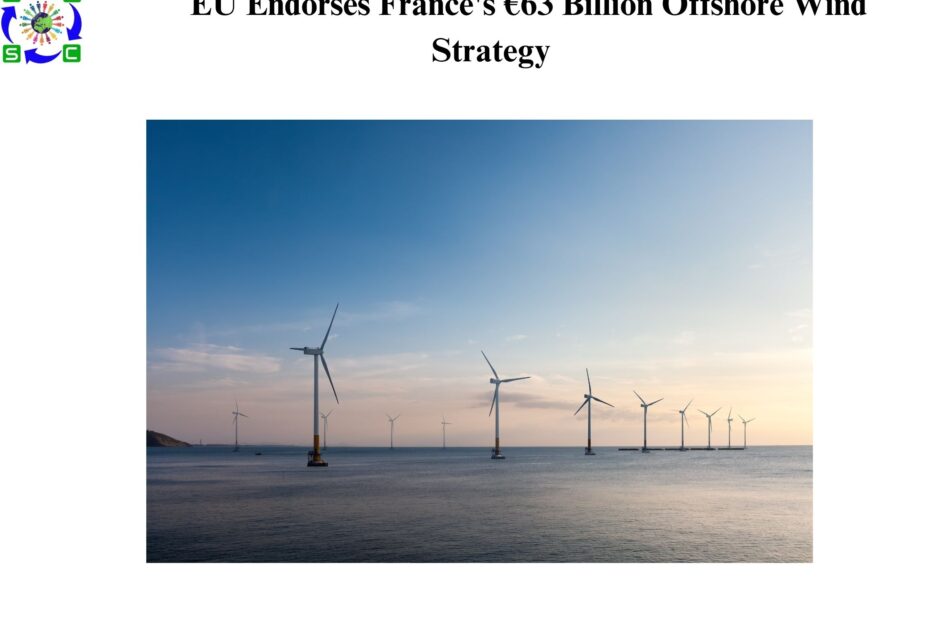
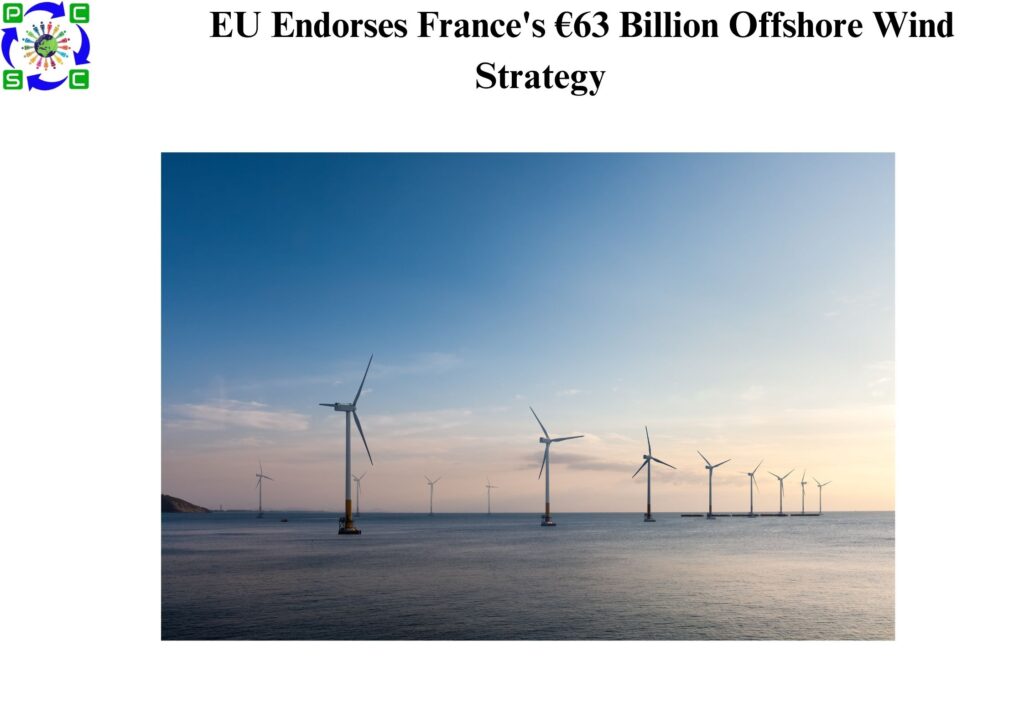 The European Commission has approved France’s €63 billion state aid program to support the development of offshore wind energy over the next 25 years, reinforcing the European Union’s commitment to achieving climate neutrality and accelerating the transition to a net-zero economy. The program includes the construction and operation of 11 offshore wind farms located across the North Sea, Atlantic Ocean, and Mediterranean Sea. Together, these projects are expected to deliver a total installed capacity of up to 11.1 GW and generate approximately 47.8 TWh of renewable electricity each year, enough to meet more than 10% of France’s annual electricity demand. This significant expansion of offshore wind capacity will enhance France’s renewable energy portfolio, strengthen energy security, reduce dependence on fossil fuels, and contribute substantially to the country’s greenhouse gas emission reduction targets.
The approval was granted under the Clean Industrial Deal State Aid Framework (CISAF), introduced by the European Commission in May 2025 to enable Member States to provide targeted financial support for renewable energy deployment, industrial decarbonization, and clean technology manufacturing. As a key pillar of the EU Clean Industrial Deal, CISAF simplifies and accelerates the approval process for state aid measures, helping member countries scale up investments in clean energy infrastructure while enhancing Europe’s industrial competitiveness and resilience.
Financial support under the French scheme will be provided through a two-way Contract for Difference (CfD) mechanism. Under this model, a strike price for electricity is established through a competitive and transparent bidding process. If the market price for electricity falls below the agreed strike price, the French government will compensate project developers by paying the difference, ensuring revenue stability and reducing investment risks. Conversely, if electricity market prices exceed the strike price, developers will repay the excess revenue to the government. This approach balances investor confidence with the protection of public finances while promoting cost-effective renewable energy generation.
The European Commission concluded that the French program complies with the requirements of the Clean Industrial Deal State Aid Framework, describing it as necessary, appropriate, and proportionate to support the deployment of renewable energy and facilitate economic activities essential to Europe’s decarbonization goals. Beyond expanding offshore wind generation, the initiative is expected to stimulate investment, create employment opportunities, strengthen the European clean energy supply chain, and accelerate the transition toward a sustainable, low-carbon economy, while supporting the broader objectives of the European Green Deal and the EU Clean Industrial Deal.
