



 Authorised IMDS & CDX Training & Consulting partner for



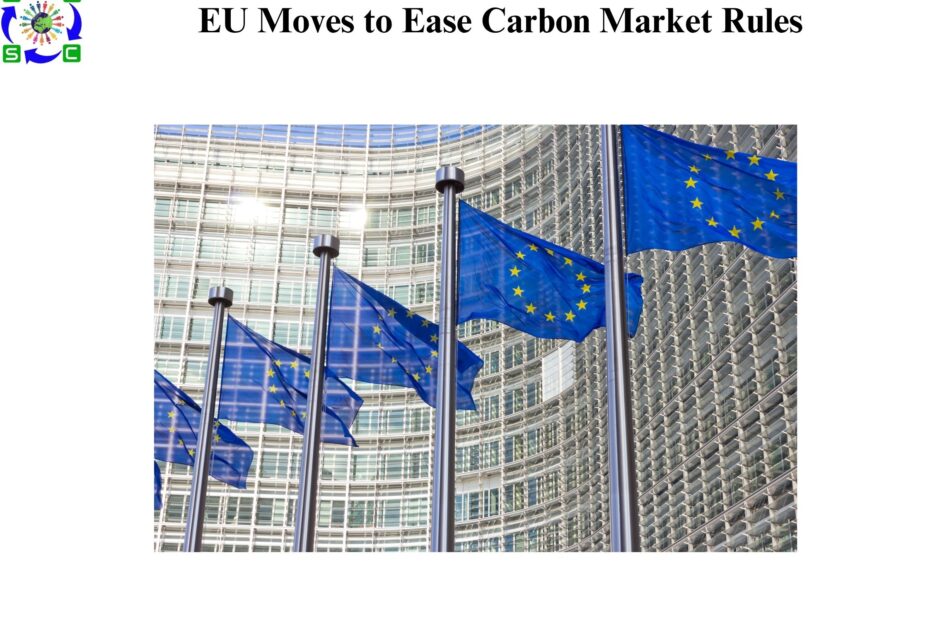
 The European Commission has proposed significant reforms to the EU Emissions Trading System (ETS) to balance industrial competitiveness with the EU’s long-term climate ambitions. The proposed changes would provide greater compliance flexibility for businesses while increasing investment in industrial decarbonization.
Key Highlights
- Slower Reduction in Carbon Allowances: The annual reduction in the ETS emissions cap would decrease from 4.3% to 3.7% in 2031, and further to 1.7% from 2036, easing the pace of emissions reductions while maintaining the EU’s target of 90% net greenhouse gas emissions reduction by 2040.
- Extension of Free Allowances: Free carbon allowances for CBAM-covered sectors, including steel and cement, would be extended until 2038, instead of ending in 2034. Companies would receive most of their free allocations upon committing to EU decarbonization investments, with the remainder linked to project completion.
- Boosting Industrial Decarbonization: Up to €100 billion in carbon allowance funding would be made available to support electrification, hydrogen technologies, carbon capture, and low-emission manufacturing. In addition, 400 million ETS allowances—worth approximately €30 billion—would be allocated through an Industrial Investment Booster by 2030.
- Greater Use of ETS Revenues: Member States would be required to allocate at least 50% of future ETS revenues toward domestic industrial decarbonization projects, strengthening support for clean technology deployment.
- Expanded ETS Coverage: The proposal extends ETS requirements to additional aviation routes, smaller maritime vessels, and gradually incorporates the waste incineration sector between 2031 and 2034.
Next Steps
The proposals will now be reviewed by the European Parliament and the Council of the European Union before negotiations on the final legislative text begin. If adopted, the reforms will significantly influence carbon pricing, industrial competitiveness, clean technology investment, and the EU’s decarbonization pathway over the coming decades.
