



 Authorised IMDS & CDX Training & Consulting partner for



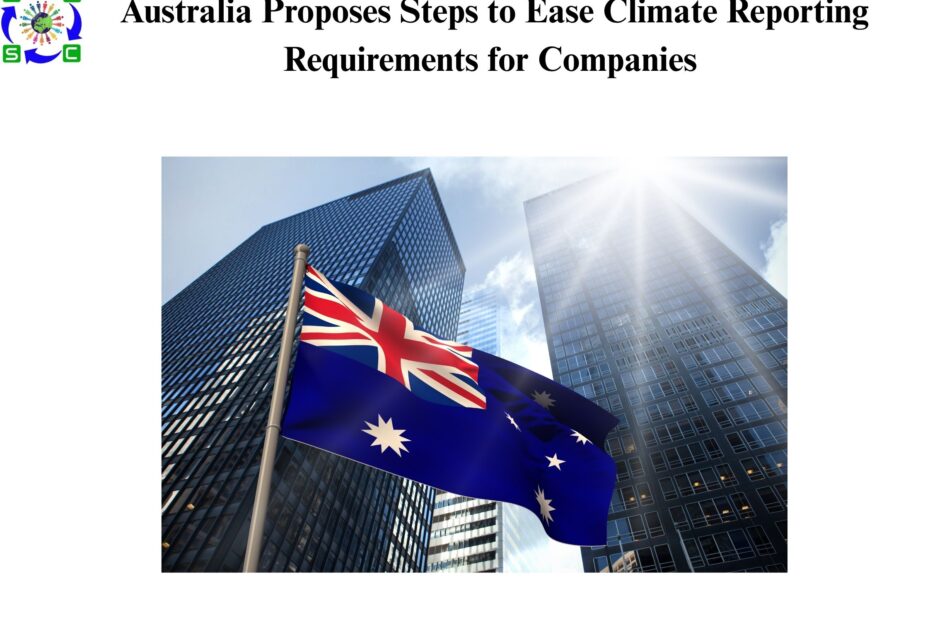
 Australia’s Treasury has launched a consultation on proposed measures to make the country’s sustainability reporting framework more efficient, reduce compliance costs for companies, and ease the burden of climate-related information requests, particularly for SMEs within corporate value chains.
The proposed reforms include reconsidering the planned transition from limited assurance to reasonable assurance for climate-related disclosures. Options include retaining limited assurance, delaying the transition to reasonable assurance until 2035, or applying reasonable assurance only to more mature metrics such as Scope 1 and Scope 2 emissions, while retaining limited assurance for less mature areas such as Scope 3 emissions.
The consultation also proposes clearer guidance on Scope 3 value-chain information requests. This would help companies determine what information can reasonably be requested from suppliers while reducing unnecessary data-collection costs and complexity for SMEs.
Other proposed measures include:
- Providing clearer guidance on what constitutes a reasonable request for value-chain information.
- Increasing access to publicly available Australian emissions factors to reduce reliance on complex supplier data requests.
- Providing guidance on applying proportionality mechanisms, including the concept of obtaining “reasonable and supportable information” without undue cost or effort.
- Clarifying how companies should apply the assessment of “no material climate-related risks or opportunities.”
- Conducting additional workshops and educational seminars to help companies understand flexibility mechanisms within the reporting framework.
The consultation comes as Australia continues to phase in its mandatory climate-related financial reporting requirements. The government has also separately proposed raising reporting thresholds to reduce the number of smaller companies subject to mandatory audited financial and sustainability reporting.
Overall, the proposed reforms aim to make Australia’s climate reporting regime more proportionate, predictable and cost-effective, while maintaining the quality and usefulness of climate-related disclosures.
