



 Authorised IMDS & CDX Training & Consulting partner for


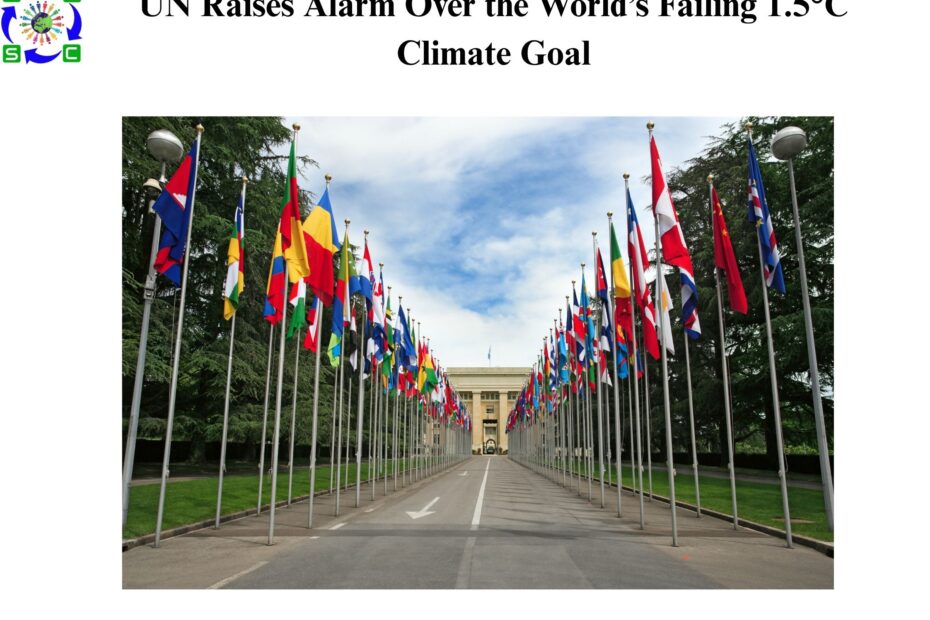
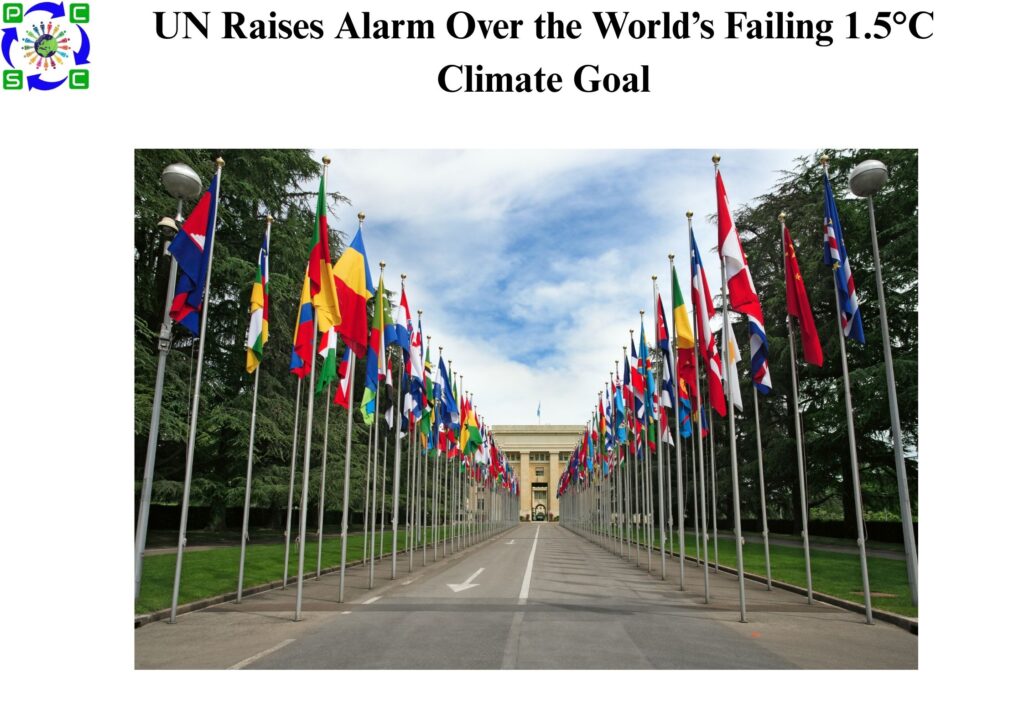
A new report from the UN Environment Programme (UNEP) warns that limiting long-term global warming to 1.5°C is no longer achievable without temporarily exceeding the target, with even the most optimistic scenario projecting warming to peak at around 1.8°C.
Despite progress since the 2015 Paris Agreement, current climate policies and commitments remain insufficient. Under existing policies, global warming could reach approximately 2.6°C by 2100, while full implementation of current Nationally Determined Contributions (NDCs) and long-term net-zero targets could still result in warming of around 1.8°C.
UNEP highlights that every fraction of a degree above 1.5°C increases climate-related risks, including extreme weather, ecosystem degradation, threats to food and water security, impacts on human health, and risks to coastal communities and economies. The likelihood of triggering irreversible climate tipping points also rises as temperatures remain elevated for longer periods.
The proposed pathway includes three key phases:
- Immediate response: Deep and rapid emissions reductions, including methane, while protecting vulnerable communities.
- Coping and containment: Manage impacts as temperatures peak while accelerating decarbonization and achieving at least net-zero emissions.
- Long-term resilience: Achieve and sustain net-negative CO₂ emissions to bring global temperatures back down.
