



 Authorised IMDS & CDX Training & Consulting partner for


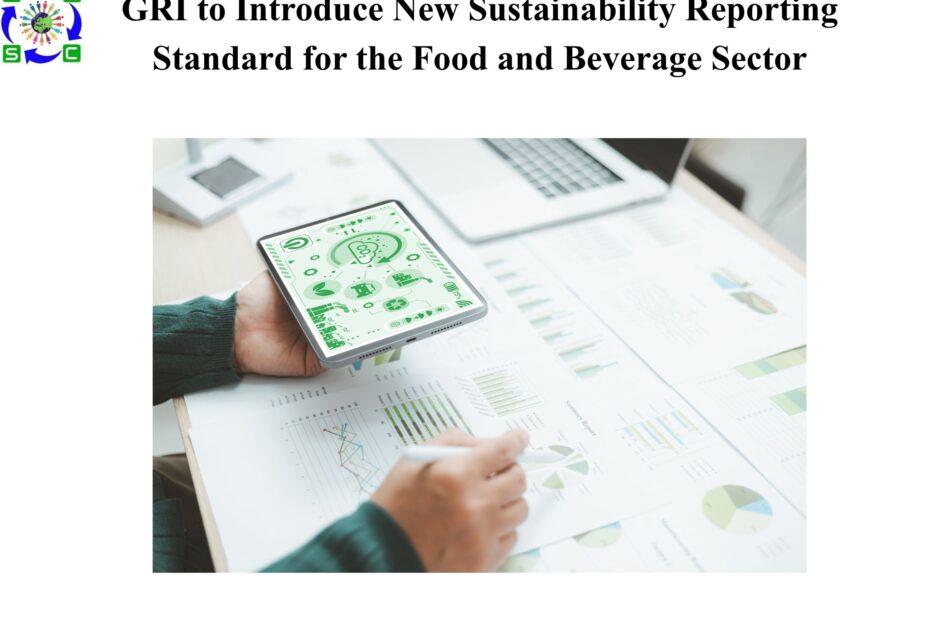
 The Global Reporting Initiative (GRI) has announced plans to develop a new sector-specific sustainability reporting standard for the food and beverage industry, aimed at helping companies report consistently on their most significant impacts across their operations and value chains.
The planned standard will be the first to pilot GRI’s new streamlined approach to Sector Standards development, intended to accelerate the development of industry-specific reporting guidance.
What will the standard cover?
The proposed standard is expected to address:
- 🍽️ Food processing and manufacturing
- 🥤 Alcoholic and non-alcoholic beverage production
- 🚬 Tobacco products
- 🌾 Impacts linked to agriculture, aquaculture and fishing
- 🔗 Sustainability impacts across companies’ value chains
- 👥 Impacts on workers, consumers and other stakeholders
- 🌍 Environmental and climate-related impacts
GRI highlighted the food and beverage sector because of the scale and breadth of its sustainability impacts, including its contribution to global emissions, effects on human health, and worker safety considerations.
Why is this significant?
GRI Sector Standards are designed to help organizations identify and report on the most significant impacts associated with their industries, while reflecting stakeholder expectations.
The new food and beverage standard will therefore provide more sector-specific reporting guidance, potentially helping companies improve the consistency, relevance and comparability of their sustainability disclosures.
The initiative also signals GRI’s continued move toward faster, more targeted sector-specific sustainability reporting guidance.
If you’re looking for sustainability solutions tailored to your business needs, get in touch with us: Register now
