



 Authorised IMDS & CDX Training & Consulting partner for



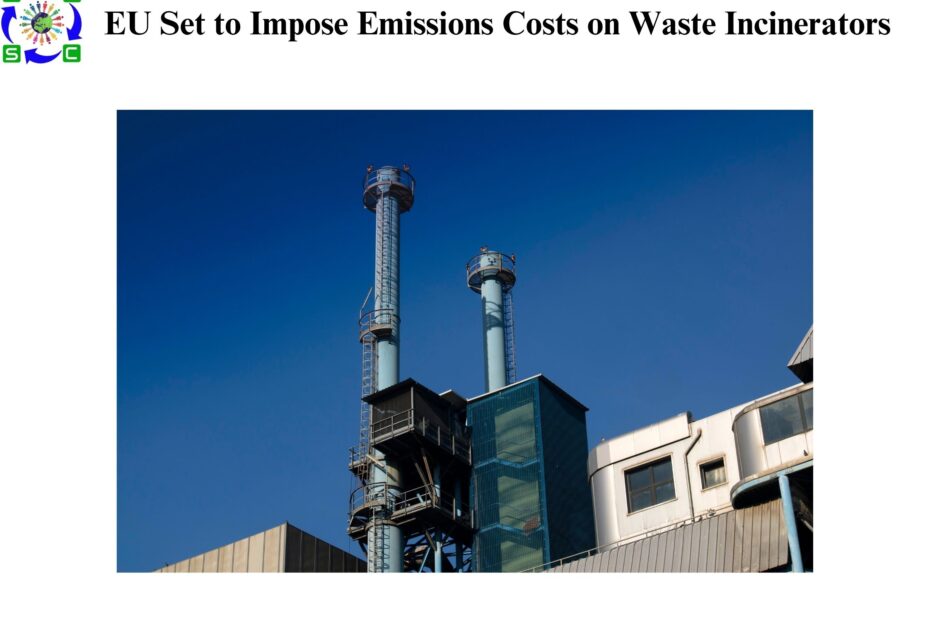
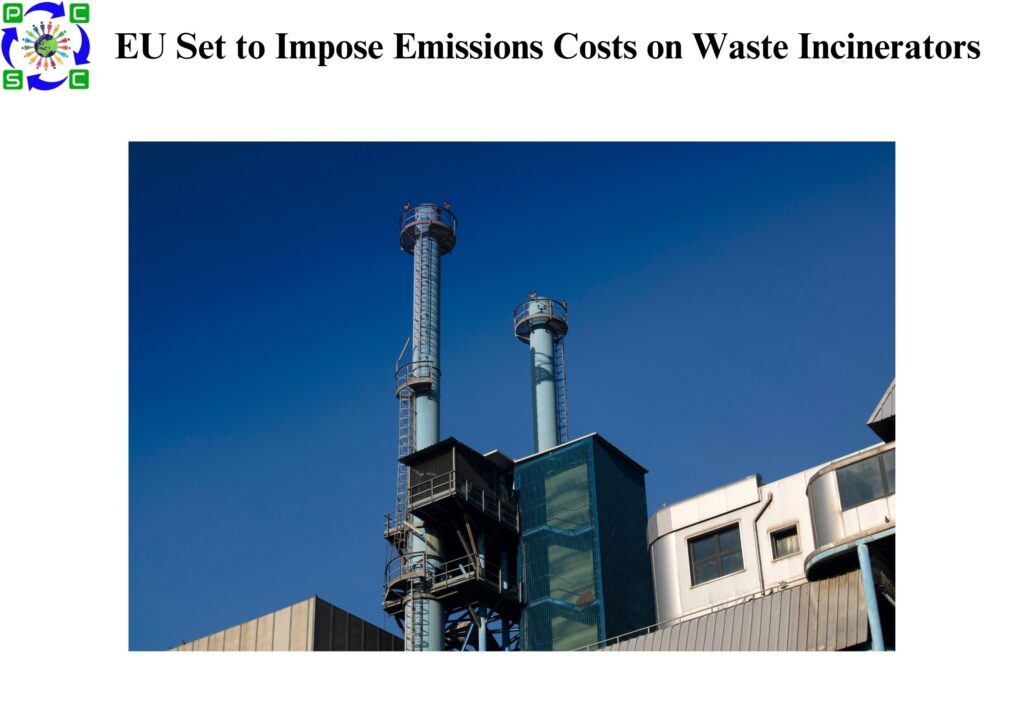 The European Commission is considering bringing waste incineration plants under the EU Emissions Trading System (EU ETS), with a potential rollout from 2031, although the timeline is still being debated. If approved, waste incinerator operators would be required to purchase carbon allowances for the CO₂ emissions generated during waste treatment, extending the EU’s carbon pricing framework into the waste management sector.
The proposal is designed to encourage lower emissions, greater adoption of carbon capture technologies, improved material recovery, and increased recycling. By placing a financial cost on emissions, the EU aims to reduce waste generation and accelerate the transition to a more circular economy.
However, the proposal has sparked concerns among waste management companies and local authorities. They argue that operators have limited control over the carbon content of incoming waste, particularly fossil-based plastics, making it difficult to reduce emissions without broader action from product manufacturers. Industry groups are calling for greater responsibility to be placed on producers of non-recyclable and carbon-intensive materials rather than municipalities.
According to Veolia, the policy could increase municipal waste management costs by €3.8 billion ($4.3 billion). To avoid unintended consequences, such as diverting more waste to landfills instead of recycling, the European Commission also plans to monitor landfill emissions. This would help ensure that carbon pricing supports genuine emissions reductions rather than shifting environmental impacts elsewhere.
If implemented, the proposal would significantly expand the reach of the EU ETS, requiring waste operators, municipalities, and businesses to invest in cleaner technologies, improve resource recovery, and strengthen sustainable waste management practices across Europe. The final design of the policy will determine how responsibilities and costs are shared between waste producers, facility operators, and public authorities while advancing the EU’s long-term climate and circular economy objectives.
