



 Authorised IMDS & CDX Training & Consulting partner for



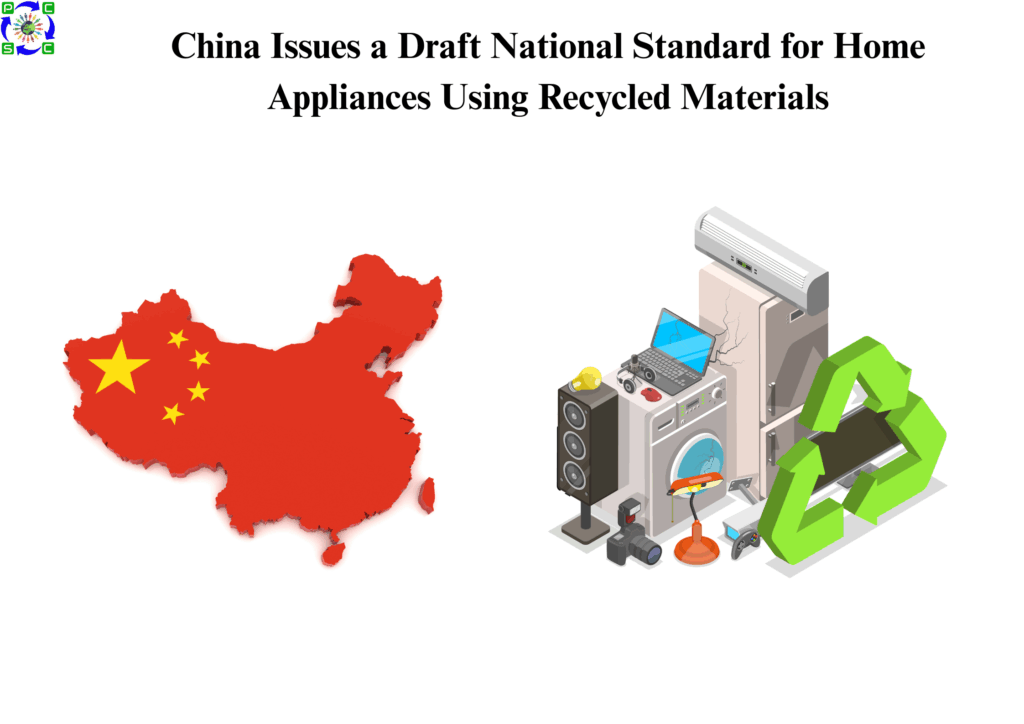 A draft of a suggested national standard called “Specification for the Use of Recycled Materials in Household Appliances” was released by the China National Light Industry Council in May 2025. The proposed standard specifies how household appliances must use recycled elements including metals and plastics, along with classification markers based on the percentage of recycled content. Later this year is when the final version is anticipated to be released.
Application scope
General requirements for the use of recycled materials in home appliances are outlined in the draft standard. These standards address post-consumer recycled content calculation techniques, traceability, process management, and evaluation and selection. It can be expanded to other related materials and is applicable to recovered metals, plastics, and refrigerants.
General Requirements
• Design, quality, molding, safety, and dependability requirements must all be met using recycled materials. • Recycled-material components must function on par with virgin-material components. • Recycled materials cannot come from radioactive waste or hazardous waste sources like pesticide containers or medical trash. • Unless an exemption is specified in the “Exemption List for Restricted Substances in Compliance Management Catalog,” materials must adhere to the hazardous substance restrictions specified in GB/T 26572.
Classification Based on Recycled Content
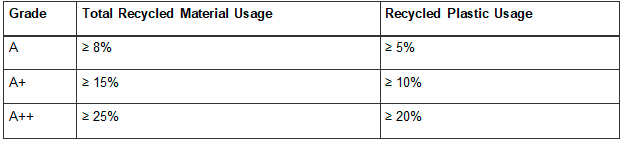
Products are classified into three grades based on the percentage of post-consumer recycled materials used:
Verification and Certification
• Sources of recycled materials must be clearly defined, differentiating between post-consumer and pre-consumer sources, and whether they originate from domestic appliances. • Verification is carried out through factory audits and traceability documents. • The company, stakeholders, or independent organizations might be the first, second, or third parties to carry out the certification.
• Document review, on-site audits, technical evaluations (if required), and the publication of certification conclusions are all steps in the process. • Basic data, usage and addition rates, data quality evaluations, final findings, and supporting documentation for every process step must all be included in certification reports.
Stay ahead in sustainability compliance with Global PCCS —where expert insights meet the latest regulations. Unlock a future where compliance fuels sustainability, helping your business thrive in a greener, well-regulated world. For more information, contact us at info@globalpccs.com
