


 Authorised IMDS & CDX Training & Consulting partner for


 Japan’s current GHS-based chemical safety regulations include JIS Z7252:2019 (Chemical Classification) and JIS Z7253:2019 (Hazard Communication of Chemicals—Labels and Safety Data Sheets). Both are grounded in UN GHS Revision 6 and are expected to be updated in 2025 to reflect recent developments in global chemical safety standards.
These JIS standards are formulated and maintained by the Japanese Industrial Standards Committee (JISC).
· JIS Z7252 defines classification criteria for physical, health, and environmental hazards of chemicals.
· JIS Z7253 outlines labeling and Safety Data Sheet (SDS) requirements for hazard communication based on GHS classifications.
With the UN GHS updated every two years, and growing needs from global harmonization efforts, revising the existing standards has become necessary. In 2023, JISC began the process to revise the regulations, aiming to align them with UN GHS Revision 9, the latest version as of 2023.
Key Revision: Explosives Classification (JIS Z7252:2025)
Under the current framework, explosives are classified into seven categories: unstable explosives and Divisions 1.1 through 1.6. In the upcoming revision, Japan will adopt the updated classification system from UN GHS Revision 9, restructuring it into:
· Explosives Category 1
· Explosives Category 2A, 2B, and 2C
This change represents a significant shift in how explosives are categorized. Companies involved in the manufacture, handling, or transport of explosive substances are strongly advised to begin preparations for compliance with the revised framework.

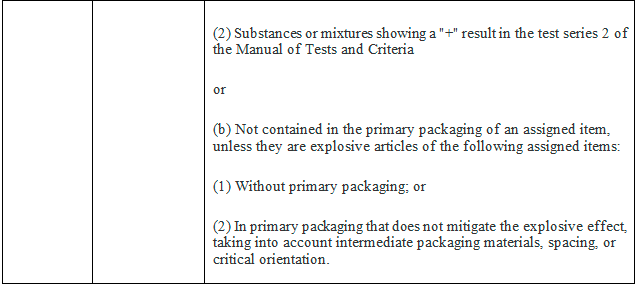
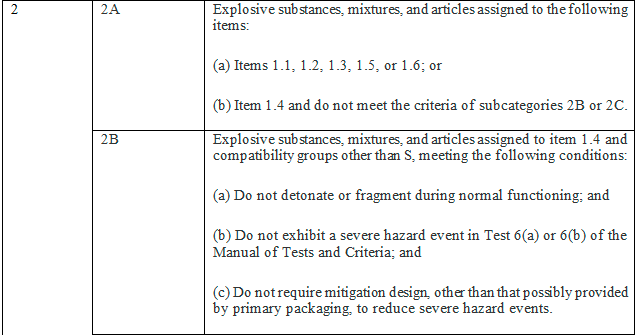
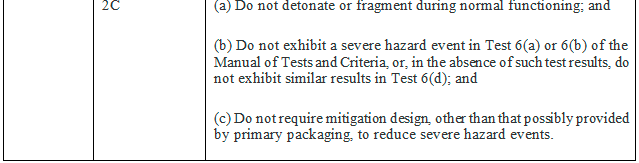
2. Flammable Gases The 2025 revision will introduce a new classification—Flammable Gas Category 1B. Classification should be carried out in accordance with the definition provided in UN GHS Category 1B
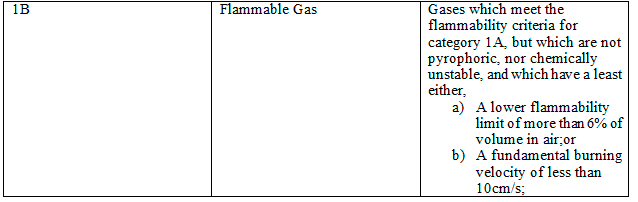
3. Aerosols
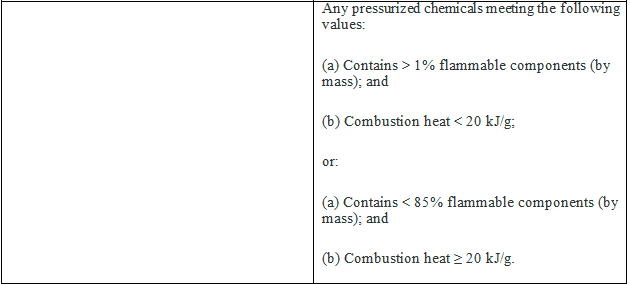
Under the aerosol category, a new classification for pressurized chemicals is added. Pressurized chemicals refer to liquids or solids (e.g., pastes or powders) pressurized at 20°C with a gas to a pressure equal to or greater than 200 kPa (gauge pressure) in pressure receptacles other than aerosol dispensers. Pressurized chemicals can be divided into 3 subcategories: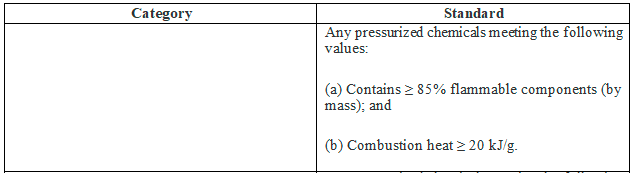
4. Skin Corrosion/Irritation
The 2025 update introduces a new classification method using non-animal in vitro/ex vivo testing. When applying this approach, the tests must comply with OECD test guidelines to ensure regulatory acceptance and reliability.
Key Updates in JIS Z7253:2025 Include:
1. Hazard and Precautionary Statements
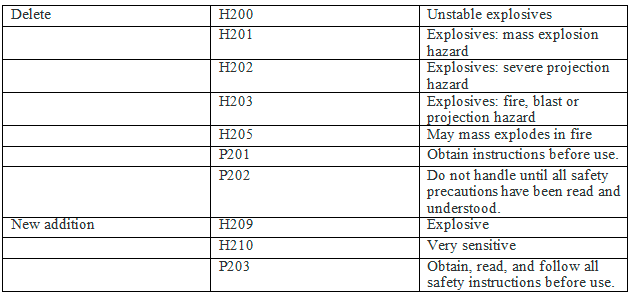
Due to updates in hazard classifications under JIS Z7252:2025, several associated hazard statements (H-phrases) and precautionary statements (P-phrases) in JIS Z7253 have been revised, removed, or modified to ensure consistency with the new classification system.
2. Precautionary Statements The 2025 revision adopts a more flexible approach to precautionary statements, in line with the UN GHS framework. Statements may be omitted if not relevant, and in some cases, they can be combined or applied together, enhancing clarity and usability in hazard communication.
3. Appendix D: SDS Preparation Appendix D, which outlines procedures for Safety Data Sheet (SDS) preparation, will be updated to reflect the revised hazard classifications. Additionally, changes to Japan’s Industrial Safety and Health Act may affect SDS content and structure. Necessary adjustments will be made to align SDS requirements with updated legal and regulatory frameworks.
Implementation Timeline The revised standards, JIS Z7252:2025 and JIS Z7253:2025, were initially expected to be released by September 2025. However, publication may be postponed to 2026 due to overlapping updates in other regulatory frameworks. As is standard practice, the final regulations will likely include a transition period
of 3–5 years, allowing industries time to adapt. Early preparation is strongly recommended to avoid disruptions in compliance and trade.
Stay ahead in sustainability compliance with Global PCCS —where expert insights meet the latest regulations. Unlock a future where compliance fuels sustainability, helping your business thrive in a greener, well-regulated world. For more information, contact us at info@globalpccs.com
