


 Authorised IMDS & CDX Training & Consulting partner for


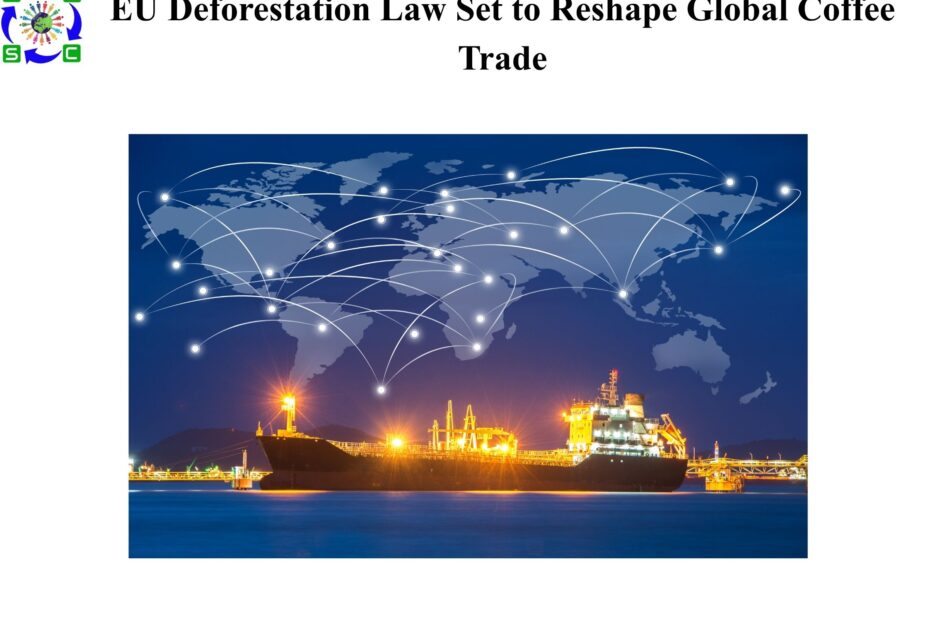
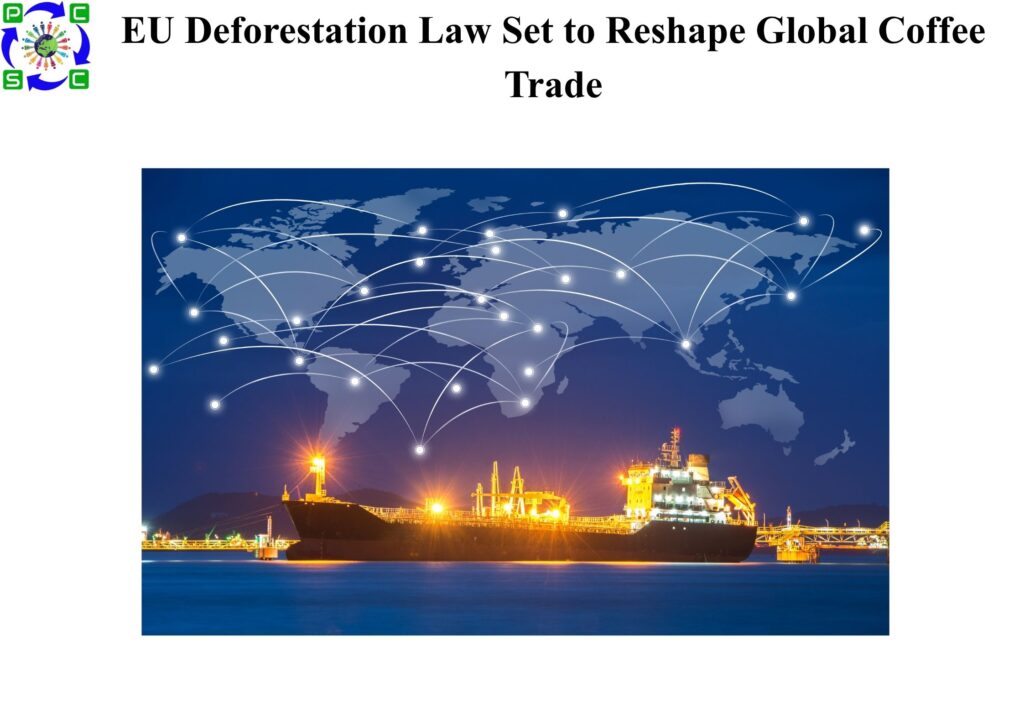 The European Union accounts for around 40% of global coffee imports, while companies supplying the EU collectively handle nearly 80% of worldwide coffee shipments, according to new research by non-profit Trase.
The findings suggest that the EU Deforestation Regulation (EUDR) could influence a much larger share of the global coffee trade than the volume ultimately consumed within the EU.
Under the EUDR, companies placing covered commodities on the EU market must demonstrate that their products are deforestation-free and trace them back to the plots where they were produced.
For major coffee suppliers, maintaining separate sourcing, traceability and verification systems for EU-bound shipments could be more complex and costly than applying similar requirements across their wider supply chains.
For example, Trase reports that JDE Peet’s sends 84% of its coffee to the EU, while trading groups Louis Dreyfus and Neumann Gruppe send 63% and 53%, respectively. This level of exposure to the European market could encourage companies to adopt common traceability standards across their global sourcing networks.
What does this mean for supply chains?
The research challenges concerns that the EUDR will necessarily result in separate EU and non-EU supply chains. Instead, major traders may have an economic incentive to implement deforestation due diligence more broadly.
However, challenges remain for smallholders and cooperatives, which may face additional costs and administrative requirements related to geolocation, traceability and supply-chain data collection.
The implications extend beyond coffee. The EUDR also covers cocoa, palm oil, soy, cattle, rubber and wood, along with certain derived products.
If companies adopt EUDR-related requirements across their broader sourcing networks, an EU market-access regulation could increasingly become a global benchmark for commodity traceability and deforestation-risk management.
