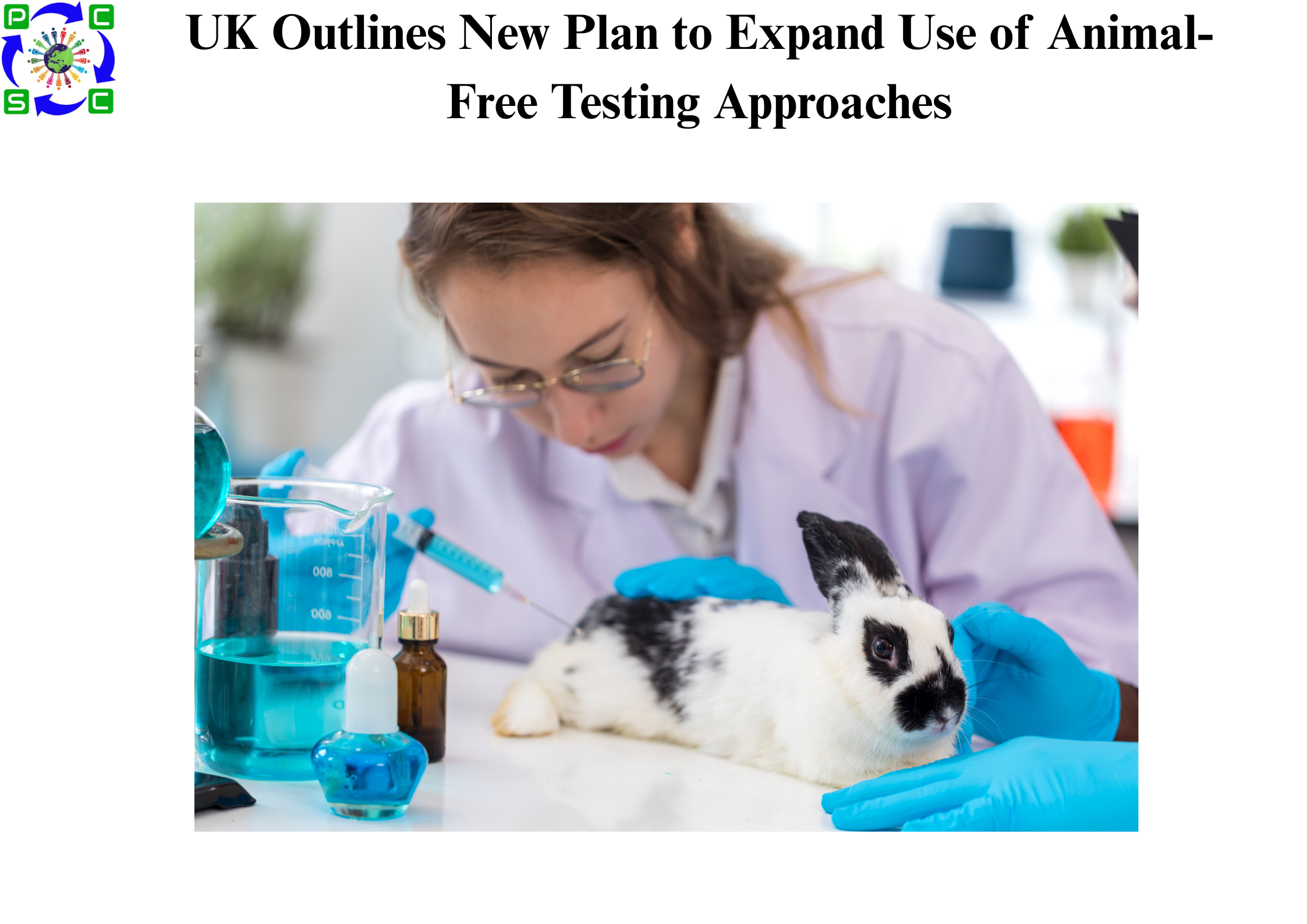
On November 11, 2025, the UK government officially released its Strategic Roadmap for Replacing Animal Testing in Scientific Research, outlining a plan to accelerate the phase-out of animal experiments and end certain types of testing within six years. Backed by £75 million (around RMB 690 million), the initiative aims to advance safe, cutting-edge alternatives such as artificial intelligence (AI) and organ-on-a-chip technologies.
Timeline for Phasing Out Animal Testing
For the first time, the roadmap sets clear deadlines for ending specific types of animal tests:
· By end of 2026: Stop animal testing for skin and eye irritation in new drug development.
· By 2027: End mouse-based botulinum toxin toxicity testing and require DNA-based screening for pharmaceutical contamination.
· By 2030: Begin phasing out in vivo metabolic tracking studies in dogs and non-human primates.
Key Emerging Alternatives
The roadmap highlights three priority technologies:
· Organ-on-a-chip systems: Human-cell–based devices that replicate organ functions and already replace some animal tests in vaccine development.
· AI-powered drug analysis: Uses large-scale data to predict molecular safety and performance, significantly reducing the need for animal-based screening.
· 3D bioprinted tissues: Highly realistic tissue models (over 90% accuracy), including skin and liver constructs.
Funding and Infrastructure
The government has committed £60 million to create a centralized platform integrating data, technology, and expertise to support cross-sector collaboration. A new regulatory body will streamline approvals for alternative methods.