


 Authorised IMDS & CDX Training & Consulting partner for


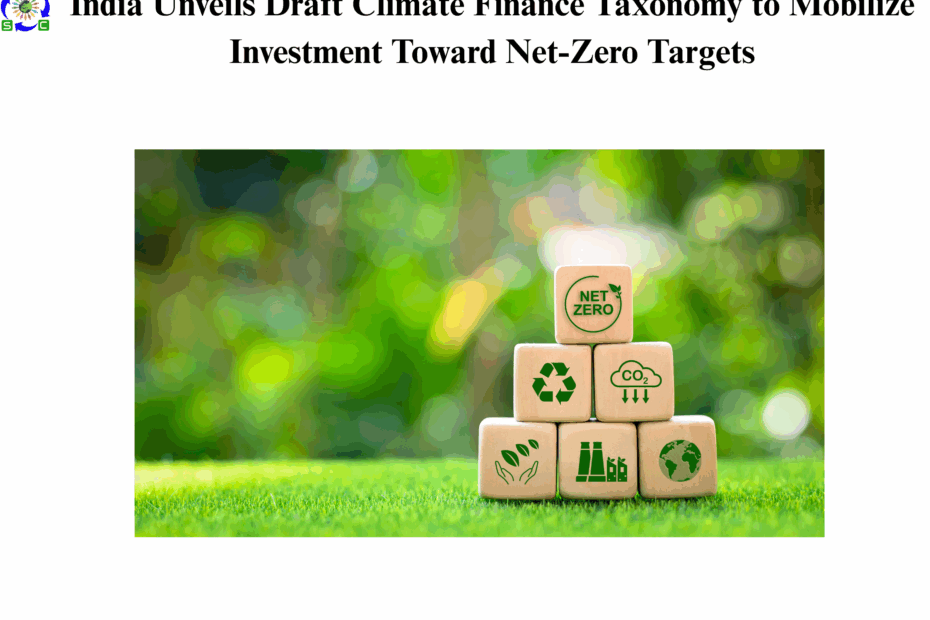
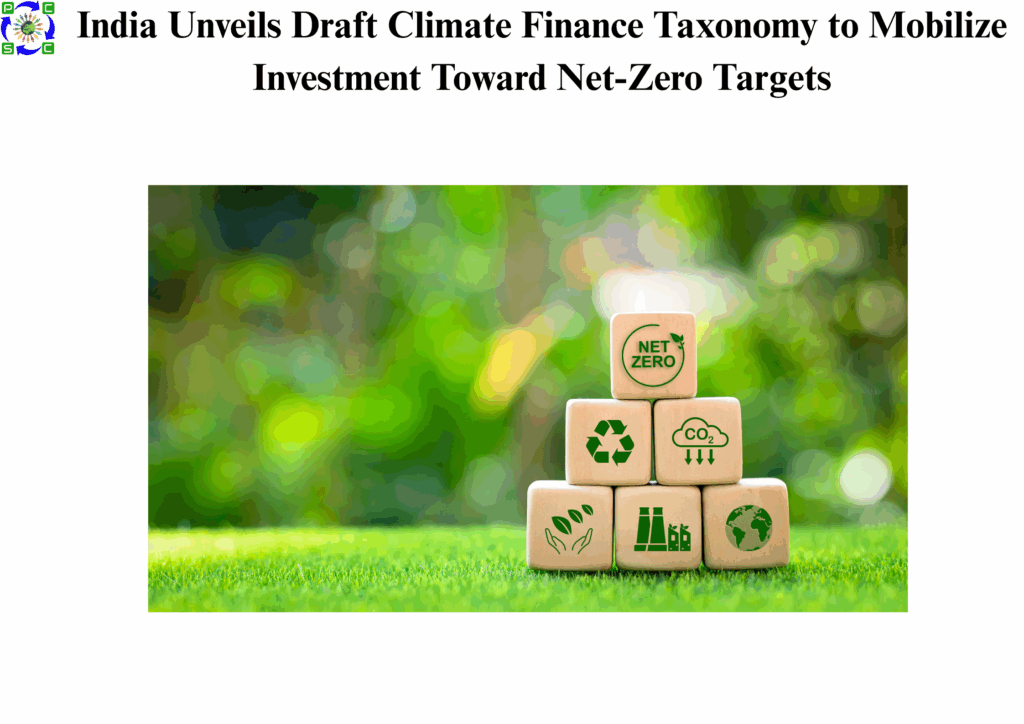 India’s Ministry of Finance has unveiled a draft framework for its Climate Finance Taxonomy— a classification system designed to identify sustainable economic activities aligned with national climate objectives. The taxonomy aims to mobilize significant capital flows to support India’s net zero transition while minimizing the risk of greenwashing.
India has committed to achieving net zero emissions by 2070, with interim goals that include reducing emissions intensity by 45% by 2030 and sourcing around 50% of its electricity from non-fossil sources by the same year. According to the Ministry, achieving the 2030 climate targets will require approximately $2.5 trillion in investment.
In its statement, the Ministry emphasized that the taxonomy is intended to “facilitate greater resource flow to climate-friendly technologies and activities,” helping India realize its Net Zero vision while ensuring access to reliable and affordable energy.
India’s initiative aligns with global efforts to create sustainable finance taxonomies, following similar frameworks in regions such as the EU, UK, Singapore, Hong Kong, Canada, and Australia.
The proposed taxonomy will classify activities under two categories:
-
Climate-supportive, which contribute directly to climate goals through emission reduction, adaptation, or relevant R&D.
-
Transition-supportive, for initiatives that enhance energy efficiency or reduce emissions intensity in sectors where full decarbonization is not currently feasible.
Initially, the taxonomy will focus on hard-to-abate industries like iron, steel, and cement; sectors offering both mitigation and adaptation benefits such as power, mobility, and buildings; and areas critical for resilience like agriculture, food, and water security.
The draft framework outlines the principles, methodology, and governance of the classification system and will be supported by sector-specific annexes detailing eligible measures and activities.
A public consultation on the draft framework is now open, with stakeholders invited to submit comments until June 25, 2025.
Stay ahead in sustainability compliance with Global PCCS —where expert insights meet the latest regulations. Unlock a future where compliance fuels sustainability, helping your business thrive in a greener, well-regulated world. For more information, contact us at info@globalpccs.com
