

 Authorised IMDS & CDX Training & Consulting partner for


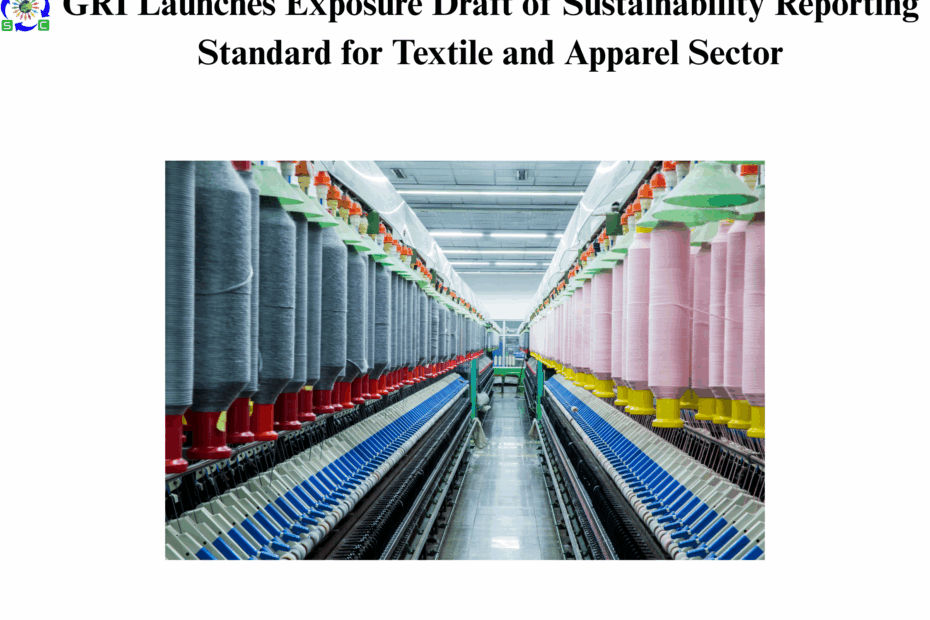
 The Global Reporting Initiative (GRI) has released the exposure draft of its Textiles and Apparel Sector Standard, developed to support companies in the textile, apparel, footwear, and jewelry industries in reporting their key sustainability impacts, particularly in areas related to human rights and the environment.
As one of the most widely adopted global frameworks for sustainability reporting, GRI Standards aim to promote consistent disclosures across industries, enhancing transparency and stakeholder communication—including with investors. The standards are developed by the Global Sustainability Standards Board (GSSB) and help organizations identify their most significant impacts while aligning reporting with stakeholder expectations.
The newly released draft is the latest in GRI’s ongoing effort to create sector-specific standards, following earlier standards for oil and gas (2021), coal, agriculture, aquaculture and fishing, and mining. In total, GRI plans to develop standards for 40 high-impact sectors, prioritizing those with the most serious and likely sustainability impacts. Priority is also based on the sector’s global presence, size, and the number of organizations capable of using GRI Standards.
The textile and apparel sector was identified as a high priority due to its complex and fragmented supply chains, which are often linked to labor rights violations, unsafe working conditions, and environmental challenges, including high greenhouse gas emissions. The draft standard was developed by a 21-member working group, appointed by the GSSB in early 2024, comprising stakeholders from businesses, civil society, labor unions, investors, and other mediating institutions.
The draft outlines 18 sustainability topics considered “likely material” for most organizations in the sector. Companies will be expected to report on these areas or explain their relevance:
· Climate change · Biodiversity
· Water and effluents
· Hazardous chemicals
· Waste, materials, and circular economy
· Rights of Indigenous Peoples
· Child labor · Forced labor and modern slavery
· Freedom of association and collective bargaining
· Non-discrimination, equal opportunity, and gender
· Occupational health and safety
· Employment
· Remuneration and working time
· Procurement practices
· Anti-corruption
· Marketing and labeling
· Conflict-affected and high-risk areas
· Supply chain traceability
The public consultation period for the draft standard is open until September 28, 2025. The final version is scheduled for release in Q2 2026.
Stay ahead in sustainability compliance with Global PCCS —where expert insights meet the latest regulations. Unlock a future where compliance fuels sustainability, helping your business thrive in a greener, well-regulated world. For more information, contact us at info@globalpccs.com
