


 Authorised IMDS & CDX Training & Consulting partner for


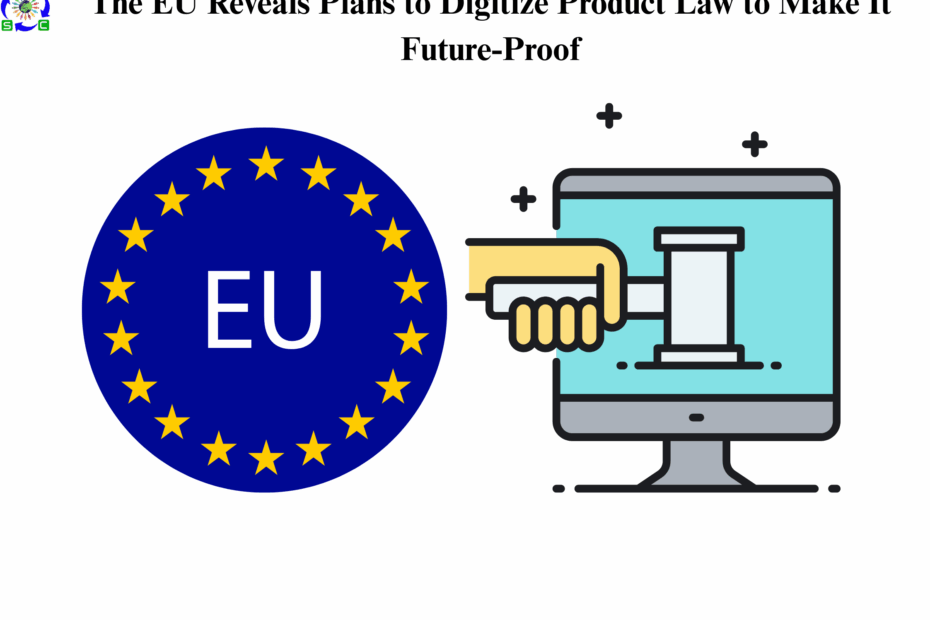
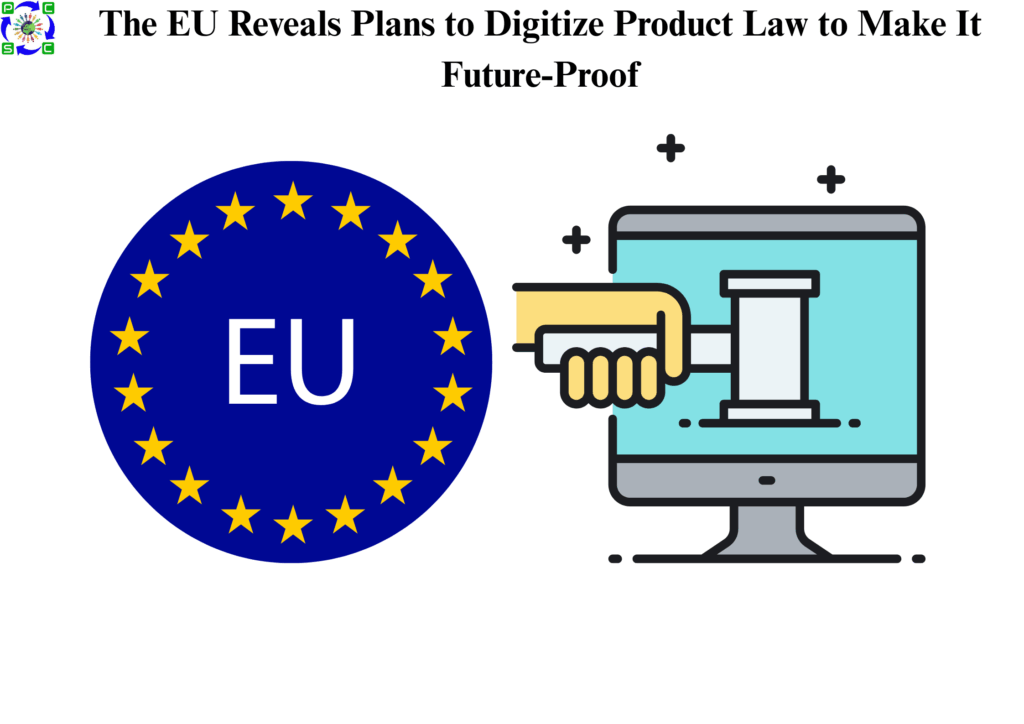 The recent release of three related ideas indicates a holistic strategy to further integrate sustainability and digitization into the single market as the European Union begins to revamp its product laws. These programs aim to improve market monitoring, expedite regulatory compliance, promote a more circular economy, and guarantee that goods introduced to the EU market are genuinely “future-proof.”
· Two WTO TBT Notifications (G/TBT/N/EU/1145 and G/TBT/N/EU/1144), both dated July 14, 2025, are at the center of this legislative effort. With a focus on digitalization and shared standards, these notifications describe proposed changes to a broad range of current EU Directives and Regulations.
· G/TBT/N/EU/1145 focuses on amending directives that cover a wide range of product categories, such as recreational crafts, outdoor equipment, pressure equipment, low voltage electrical equipment, radio equipment, measuring devices, lifts, equipment for potentially explosive atmospheres, and marine equipment.
· Regulations concerning cableways, PPE, gaseous fuel-burning appliances, machinery, and batteries are the main emphasis of G/TBT/N/EU/1144.
The core objective of these two amendment proposals is to digitalize certain aspects of product compliance and introduce common specifications. For example, EU proposes that:
· The specification that the EU declaration of conformity (DoC), or a similar document, must be drawn up in electronic form and made accessible through an internet address or machine-readable code when that declaration needs to accompany a product.
· The addition of a ‘digital contact’ as information to be indicated by manufacturers on the products which are placed on the market to facilitate communication between economic operators and national authorities.
· The specification that the instructions accompanying products may be provided in electronic form, apart from safety information which should be provided on paper or marked on the product for consumers.
· The amendment of reporting obligations to national authorities that require a ‘paper or electronic format’ to ‘electronic form’ only.
· The insertion of an obligation for exchanges by electronic means between the economic operators and the competent authorities.
· The introduction of a provision on common specifications to benefit from the use of presumption of conformity with essential requirements in the absence of harmonised standards.
· An obligation to provide the information contained in the EU declaration of conformity and instructions on the digital product passport, when the product is subject to other Union legislation that requires the use of such a digital product passport.
The “Call for Evidence for an Impact Assessment” captioned “Product legislation ensuring futureproof rules (revision of the New Legislative Framework – NLF)” is a fundamental document that supports these two modifications. The New Legislative Framework (NLF), which has served as the cornerstone of EU product harmonization since its creation in 2008, will undergo a major reform as part of this endeavour.
This effort, which is currently in the planning stages, is seeking input from stakeholders on how to improve EU product laws, with a particular emphasis on two main themes: the digital transition and the circular economy. To include digital solutions into EU legislation, it suggests a number of policy options to update the NLF (e.g. by adopting the Digital Product Passport).
Stay ahead in sustainability compliance with Global PCCS —where expert insights meet the latest regulations. Unlock a future where compliance fuels sustainability, helping your business thrive in a greener, well-regulated world. For more information, contact us at info@globalpccs.com
