



 Authorised IMDS & CDX Training & Consulting partner for


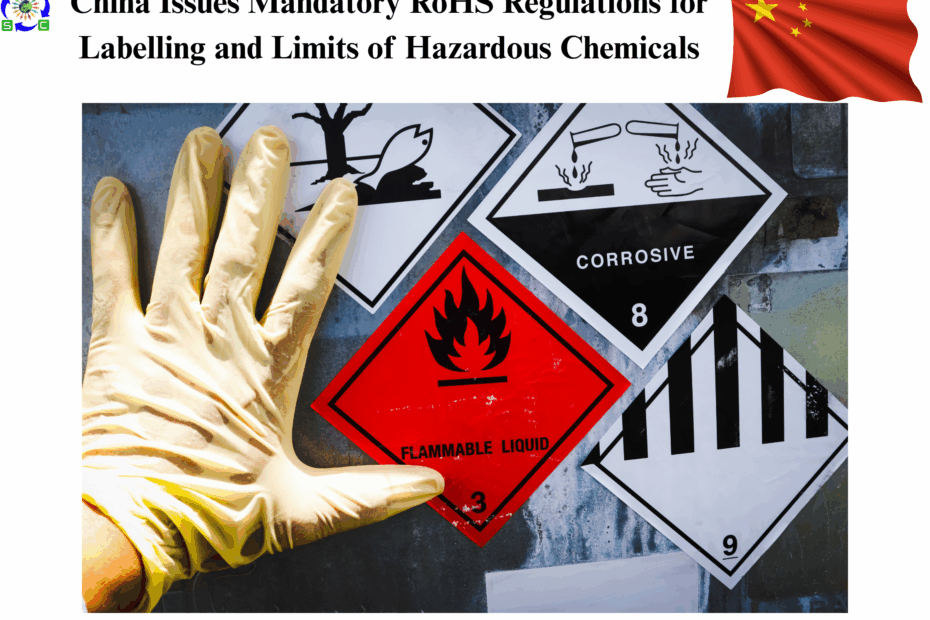
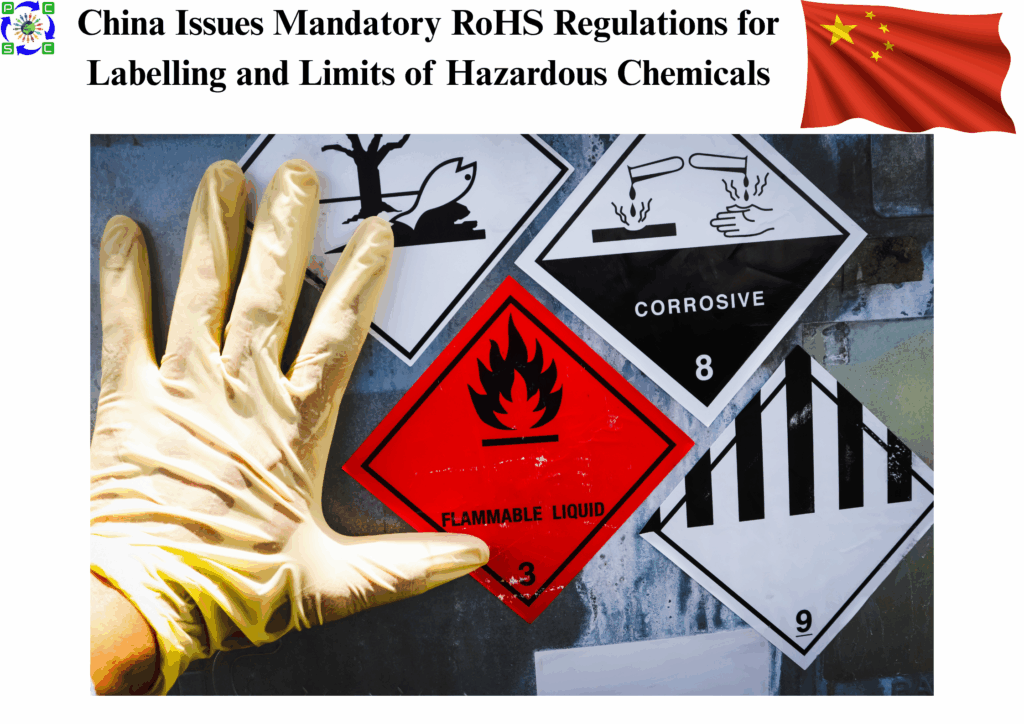 With effect from August 1, 2027, the new required China RoHS standard (GB 26572-2025) combines the SJ/T 11364-2024 for labelling with the current GB/T 26572-2011 for concentration restrictions.
“Requirements for Restricted Use of Hazardous Substances in Electrical and Electronic Products” is the first mandatory national RoHS standard in China, and it was formally approved and published on August 1, 2025, by the State Administration for Market Regulation (SAMR) and Standardization Administration of China. The current standard, GB/T 26572-2011, will be replaced by this crucial standard on August 1, 2027.
A long-standing issue with China’s RoHS enforcement is addressed by this new rule. Previously, GB/T 26572-2011 for concentration limits and SJ/T 11364-2024 for labeling served as the main guidelines for compliance under China RoHS 2.
By combining these clauses into a single, legally binding document, GB 26572-2025 makes compliance requirements clear and incorporates updated technical specifications that consider changing business practices. Within 20 working days, the official text will be posted on the National Public Service Platform for Standards Information.
Key updates in GB 26572-2025
According to the Ministry of Industry and Information Technology’s (MIIT) April draft, the revised GB 26572-2025 standard has the following important features:
· Expanded Substance Restrictions: In accordance with the EU RoHS Directive (2011/65/EU), the list of banned hazardous compounds is increased from six to ten by include Di isobutyl phthalate (DIBP), Dibutyl phthalate (DBP), Benzyl butyl phthalate (BBP), and Bis(2-ethylhexyl) phthalate (DEHP).
· Tiered Compliance Approach: Products are categorized according to their inclusion in the Catalogue for compliance management as part of a phased deployment approach for RoHS compliance. While unlisted products are solely subject to labelling regulations, products featured in this catalogue are required to comply with the 10-substance limitation limits as well as the labelling requirements.
· Mandatory Labelling: Under GB 26572-2025, the previously suggested labelling guidelines from SJ/T 11364-2024 are now codified as required provisions.
· Prescribed Testing Methods: The official testing standard for identifying the presence of hazardous substances in electrical and electronic products is the GB/T 39560 series.
Transitional Period
Companies have two years to attain complete compliance under the RoHS standard. A one-year grace period will be granted to products made or imported before the effective date, allowing for the orderly phase-out of non-compliant inventories and the reduction of compliance costs.
Compliance Tips
The Electrical and Electronic Product Pollution Control Standard Working Group released an important announcement on January 14, 2024, even though the required national China RoHS standard is scheduled to be implemented in two years. The coordinated implementation of SJ/T11364-2024 and the No. 1 Amendment to GB/T 26572-2011 is made clearer by this notice. Businesses are encouraged to make adequate preparations in accordance with this announcement, which stipulates that these two criteria must be implemented in tandem by January 1, 2026, at the latest.
It is advised that businesses immediately carry out an exhaustive inventory of hazardous materials in compliance with these new guidelines, finish the labelling changeover, and establish a strong basis for the eventual adoption of the required national standard.
Stay ahead in sustainability compliance with Global PCCS —where expert insights meet the latest regulations. Unlock a future where compliance fuels sustainability, helping your business thrive in a greener, well-regulated world. For more information, contact us at info@globalpccs.com
