


 Authorised IMDS & CDX Training & Consulting partner for


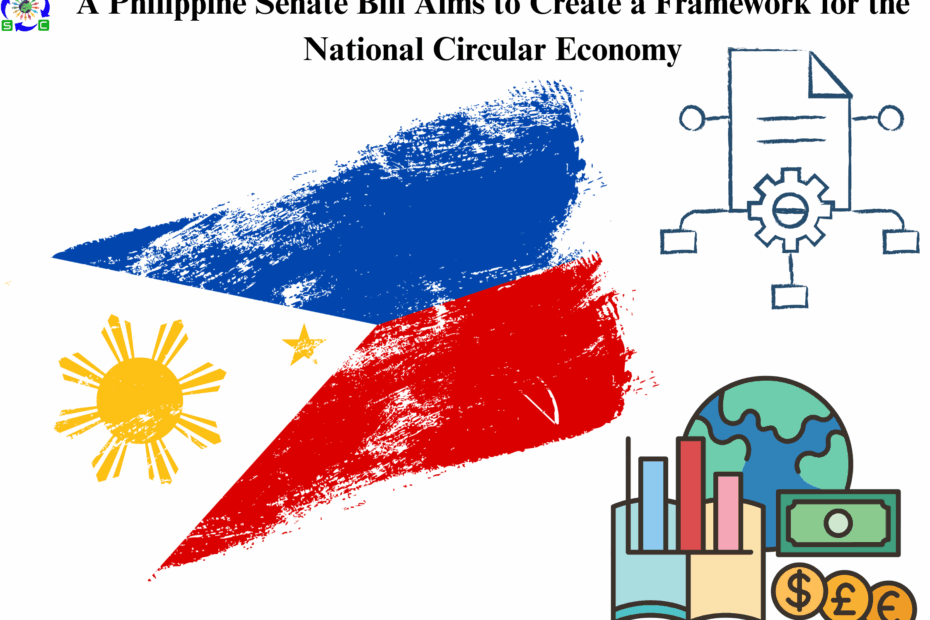
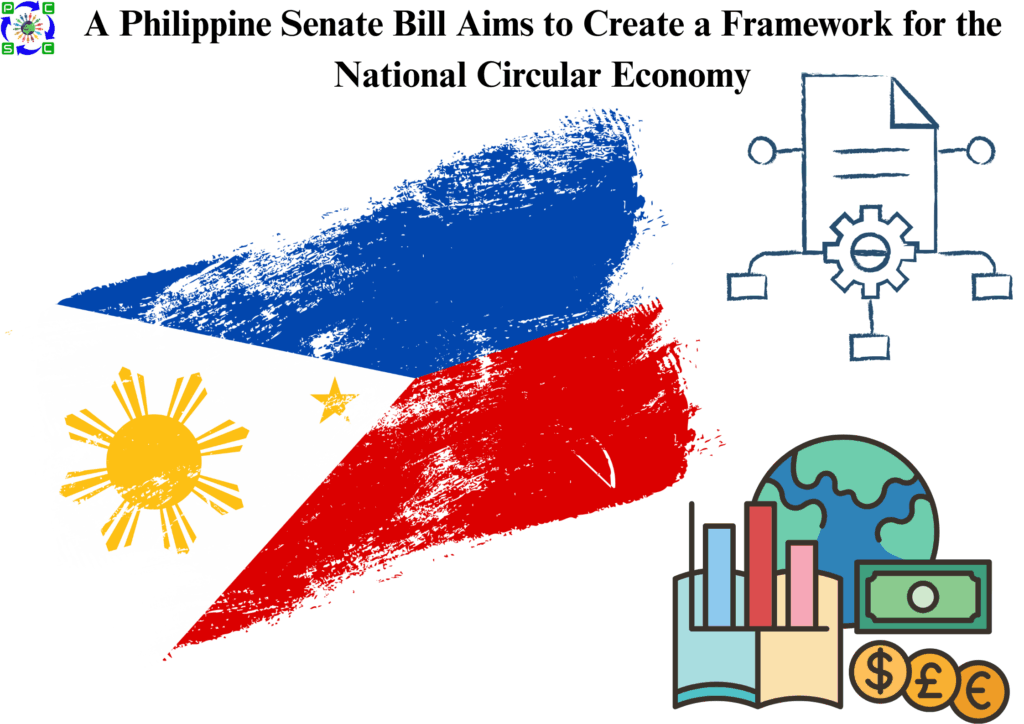 Within five years of going into effect, a proposed Philippine bill would require the total phase-out of specific single-use plastic packaging. A new measure that was submitted to the Philippine Senate in July 2025 seeks to address the nation’s growing waste problem by creating a thorough legislative framework for a circular economy. Senate Bill No. 306, also known as the “Philippine Circular Economy Promotion Act,” was introduced by Senator Loren Legarda and calls for a significant departure from the “take, make, and dispose” economic paradigm. The committee is still debating the bill.
Background
The bill underscores the gravity of the problem, noting the Philippines is in the middle of a “resource and pollution crisis”. The country generates over 21 million metric tons of solid waste annually, which includes a staggering 163 million plastic sachet packets and 48 million shopping bags daily. Because of this, the Philippines was found to be the country that contributes the most to ocean plastic pollution worldwide, making up more than 36% of the global total in 2019. Because of its effects on fisheries, tourism, and health, this pollution is thought to have an annual economic cost of more than USD $1.2 billion.
The Shift to a Circular Economy
The proposed law supports the shift to a circular economy, a business model that recovers and repurposes materials and products at the end of their life cycle in order to maximize the use of resources. Citing a United Nations Development Programme estimate that such a move might provide US$4.5 trillion in global benefits by 2030, the measure highlights the substantial potential benefits. In addition, the International Labour Organization estimates that seven to eight million new jobs might be created by the circular economy, mostly in the areas of recycling, repair, and remanufacturing.
Key Provisions of the Bill
To achieve its goals, the bill outlines several key measures:
· Institutional Framework: It suggests establishing a Circular Economy Inter-Agency Council (CE-IAC) to coordinate tactics, keep an eye on adherence, and guarantee that the act’s execution is in line with national development objectives. The Secretary of the Department of Economy, Planning, and Development (DEPDev) would serve as the council’s chair.
· Single-Use Plastic Phase-Out: A fundamental part of the measure is a forced phase-out of non-recyclable and non-compostable single-use plastics (SUPs) within five years of the law’s effectivity. The phase-out, which applies to plastic products not intended for multiple uses, will have a direct impact on manufacturers, merchants, and importers. Within a year, the Department of Environment and Natural Resources (DENR) is responsible for creating a transition strategy.
· Incentives and Innovation: The bill intends to stimulate innovation through many approaches. It mandates the construction of a “Circular Economy Incentive Code” to integrate fiscal and non-fiscal incentives for circular firms. To give companies temporary regulatory flexibility to test novel circular business models, a “Circular Economy Regulatory Sandbox” will be created. Research and development will also be supported by a “Circular Innovation Hub” inside the Department of Science and Technology (DOST).
· Local Government and Community Role: According to the act, every province, city, and municipality has two years to create and carry out a Local Circular Economy Action Plan (LCEAP). Additionally, it encourages public involvement through Local Circular Economy Advisory Committees.
Conclusion
The proposed act is aimed to consolidate and enhance existing, but fragmented, environmental regulations. It admits that the Ecological Solid Waste Management Act of 2000, also known as Republic Act No. 9003, is still not being adequately enforced. The National Climate Change Action Plan (NCCAP), the Philippine Development Plan (PDP) 2023–2028, and the newly passed Philippine Ecosystem and Natural Capital Accounting System (PENCAS) Act of 2024—which establishes the data infrastructure to monitor resource flows—are all intended to be in line with the bill.
If passed, Senator Legarda claims the measure may change the Philippines from “a leading plastic polluter into a regional leader in circular economy innovation, job creation, and sustainable development”. “Design out waste, regenerate our ecosystems, and build an economy where nothing is wasted, and no one is left behind” is the national promise embodied in the bill.
Stay ahead in sustainability compliance with Global PCCS —where expert insights meet the latest regulations. Unlock a future where compliance fuels sustainability, helping your business thrive in a greener, well-regulated world. For more information, contact us at info@globalpccs.com
