


 Authorised IMDS & CDX Training & Consulting partner for


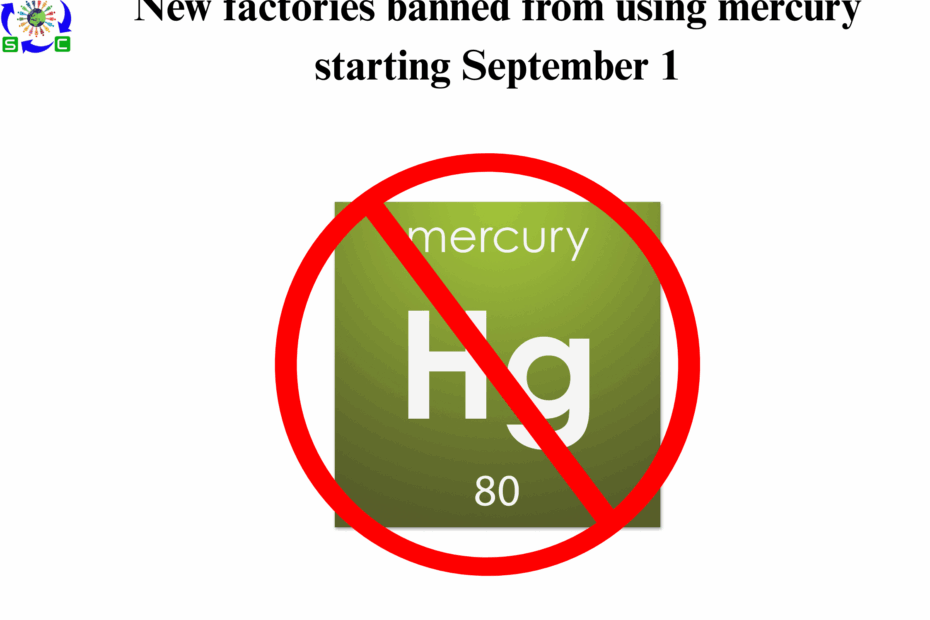
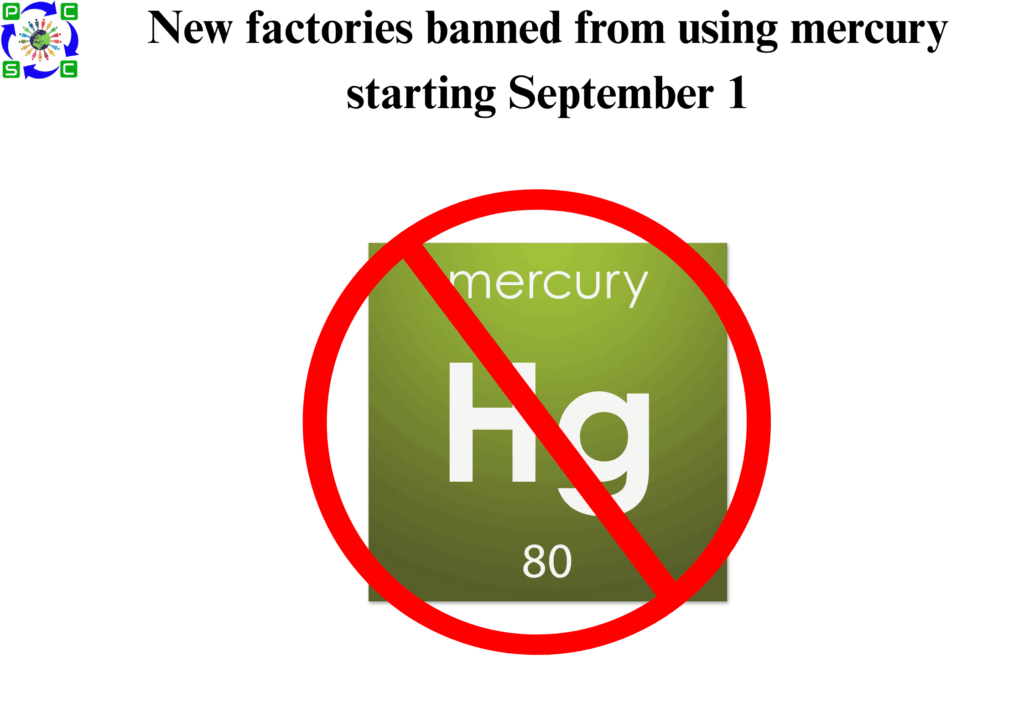 Thailand has implemented a significant environmental policy by banning the use of mercury and its compounds in manufacturing processes for new factories, effective September 1, 2025. This directive, issued by the Ministry of Industry, also prohibits the expansion of existing factories that utilize mercury in their operations.
Key Details of the Ban:
· Scope: The ban applies to new factories and the expansion of existing ones that use mercury or its compounds in their production processes.
· Affected Industries: Industries impacted include chlor-alkali production, acetaldehyde production using mercury catalysts, vinyl chloride monomer production, and the production of sodium or potassium methylate or ethylate, and polyurethane using mercury catalysts.
· Legal Framework: This measure aligns with Thailand’s obligations under the Minamata Convention on Mercury, an international treaty aimed at protecting human health and the environment from the adverse effects of mercury.
Objectives of the Ban:
· Environmental Protection: To reduce mercury emissions and prevent contamination of air, water, and soil, thereby safeguarding public health and the environment.
· Sustainable Development: To promote the establishment of environmentally friendly manufacturing processes that can coexist sustainably with surrounding communities.
· International Compliance: To fulfill Thailand’s commitments under the Minamata Convention, which Thailand ratified in June 2017.
This policy marks a significant step in Thailand’s efforts to mitigate mercury pollution and aligns with global initiatives to phase out the use of hazardous substances in industrial processes.
Stay ahead in sustainability compliance with Global PCCS —where expert insights meet the latest regulations. Unlock a future where compliance fuels sustainability, helping your business thrive in a greener, well-regulated world. For more information, contact us at info@globalpccs.com
