



 Authorised IMDS & CDX Training & Consulting partner for


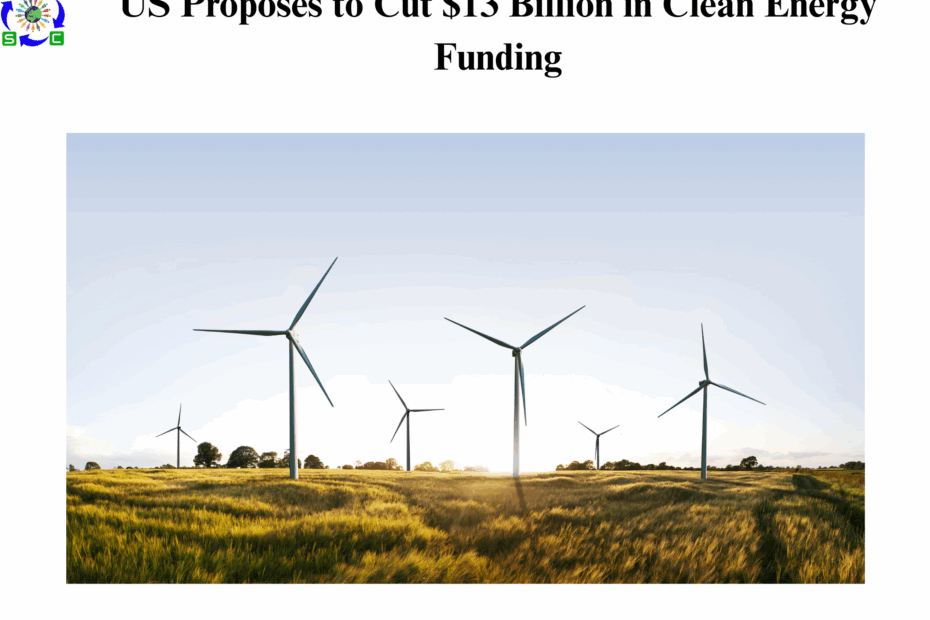
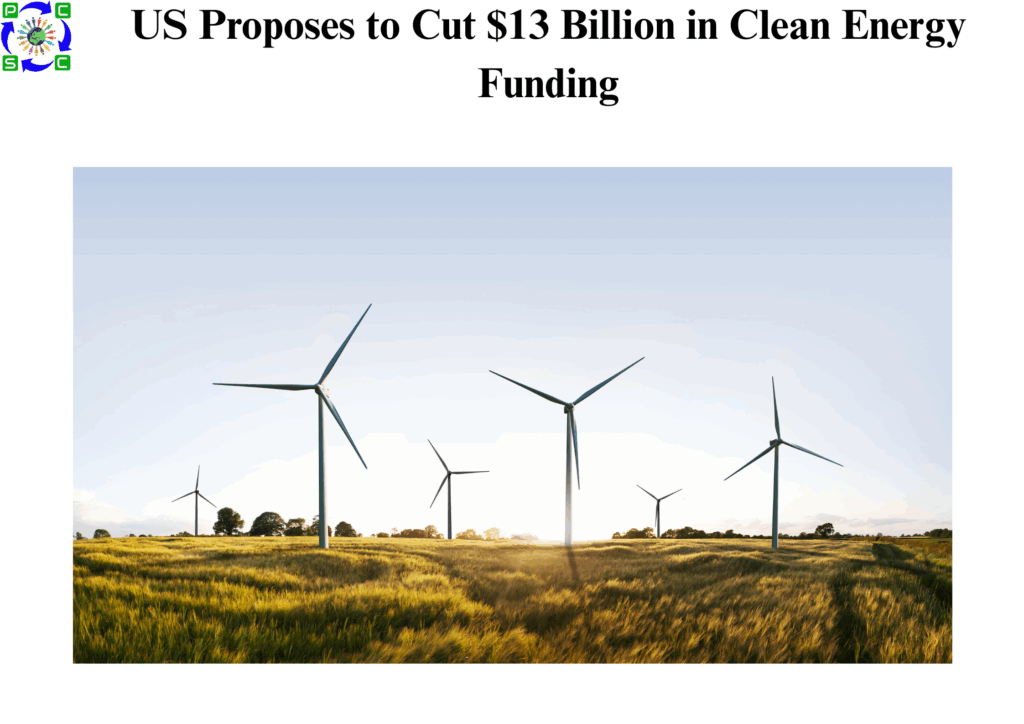 The U.S. Department of Energy confirmed plans Wednesday to cancel more than $13 billion in subsidies pledged under the Biden administration for wind, solar, battery storage, and electric vehicle manufacturing. The reversal, framed by the Trump administration as the return of taxpayer dollars, represents a sharp pivot toward fossil fuel expansion and away from federal clean energy support.
Political Friction and Global Stakes
The move sparked backlash from state leaders and climate advocates. California Governor Gavin Newsom warned that cutting subsidies risks ceding clean energy leadership to China, where subsidies and industrial policy are accelerating. The decision comes as Trump prepares to meet with President Xi Jinping, adding geopolitical weight to concerns about U.S. competitiveness in renewable technologies.
Climate Skepticism on the World Stage
The announcement followed Trump’s address to the UN General Assembly, where he dismissed climate change as “the greatest con job.” The administration has since doubled down on record oil and gas output, underscoring its retreat from multilateral climate diplomacy.
Economic Consequences for Clean Energy Jobs
Industry groups warn that removing federal backing could derail one of the fastest-growing sectors of the U.S. economy. A report by E2 found renewable energy jobs grew three times faster than the broader workforce in 2024. Without subsidies, thousands of jobs in solar, wind, and EV supply chains could be at risk, while investors caution that abrupt policy shifts undermine long-term climate finance and grid modernization.
Implications for Governance and Markets
For business leaders, the rollback signals increased regulatory uncertainty and reduced incentives for low-carbon investment, potentially slowing U.S. decarbonization progress. Globally, the reversal risks eroding U.S. credibility in climate negotiations and widening the gap with the EU and China, both of which are expanding subsidy programs.
Looking Ahead
While the administration presents the decision as fiscal discipline, the broader stakes stretch far beyond budgetary savings. With states like California pressing ahead on ambitious climate targets and global clean energy investment projected to top $2 trillion annually by 2030, the policy shift raises fresh doubts about America’s role in the global energy transition.
Stay ahead in sustainability compliance with Global PCCS —where expert insights meet the latest regulations. Unlock a future where compliance fuels sustainability, helping your business thrive in a greener, well-regulated world. For more information, contact us at info@globalpccs.com
