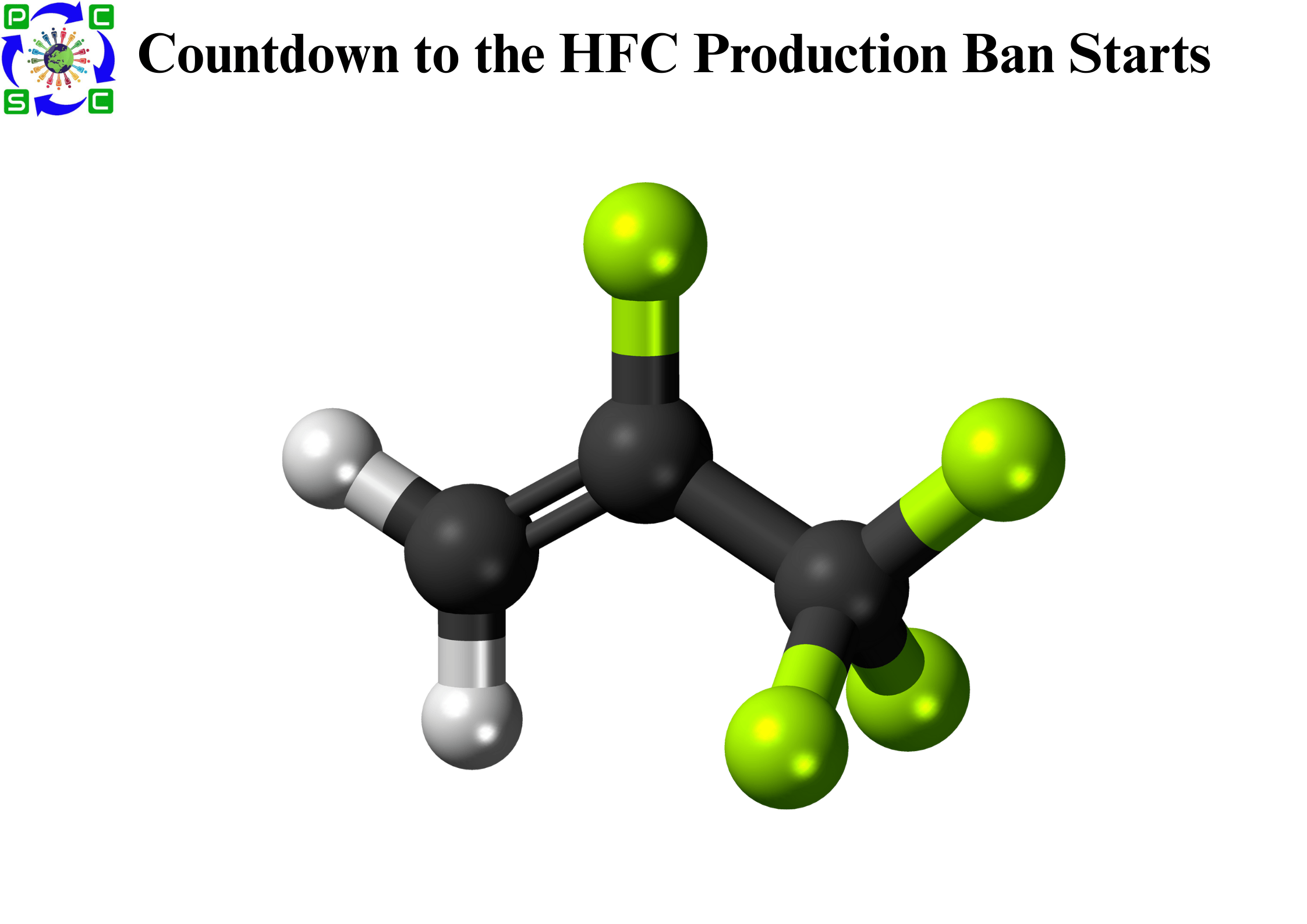
On November 15, 2025, China’s Ministry of Ecology and Environment (MEE) announced a major regulatory measure introducing a production ban on Hydrofluorocarbons (HFCs) in certain household appliances. The decision is grounded in the Regulation on the Administration of Ozone-Depleting Substances and China’s National Plan for the Implementation of the Montreal Protocol on Substances that Deplete the Ozone Layer (2025–2030). It also aligns with China’s commitments under the Vienna Convention and the Montreal Protocol, supporting the nation’s shift toward greener, low-carbon industrial practices.
MEE Announcement No. 27 of 2025: Prohibition on Producing Household Refrigerators and Freezers Using HFC Refrigerants
Key Provisions
-
Production Ban:
Effective January 1, 2026, manufacturers are prohibited from producing household refrigerators and freezers that use HFCs as refrigerants.
-
Product Scope:
The ban applies to products defined under GB/T 8059-2016 Household and Similar Refrigerating Appliances. These include insulated household cabinets with one or more temperature-controlled compartments, operating through natural or forced convection, and powered by one or more energy sources. Export-oriented household refrigerators and freezers are covered; car refrigerators are excluded.
Background
China has progressively phased out and replaced ozone-depleting substances (ODS) since joining the Montreal Protocol.
The country has already eliminated five major ODS categories: CFCs, halons, carbon tetrachloride, methyl chloroform, and methyl bromide.
In 2021, China accepted the Kigali Amendment, committing to controlling and reducing HFCs.
Today, most household refrigerators and freezers in China use isobutane, a natural, low-carbon refrigerant with mature technology, lower costs, and an established industrial chain. Only a small share of export products still rely on HFCs. Adoption of isobutane exceeds 90% across the industry.
Implementation and Enforcement
Environmental authorities at all administrative levels will supervise compliance and ensure the orderly phase-out of HFC refrigerants in the household refrigeration sector.
Enterprises failing to meet the requirements may face legal penalties enforced by ecological and environmental departments in coordination with other relevant authorities.
Stay ahead in your compliance journey with smart, sustainable solutions from Global PCCS. For more insights and updates, visit us and power your progress with purpose.