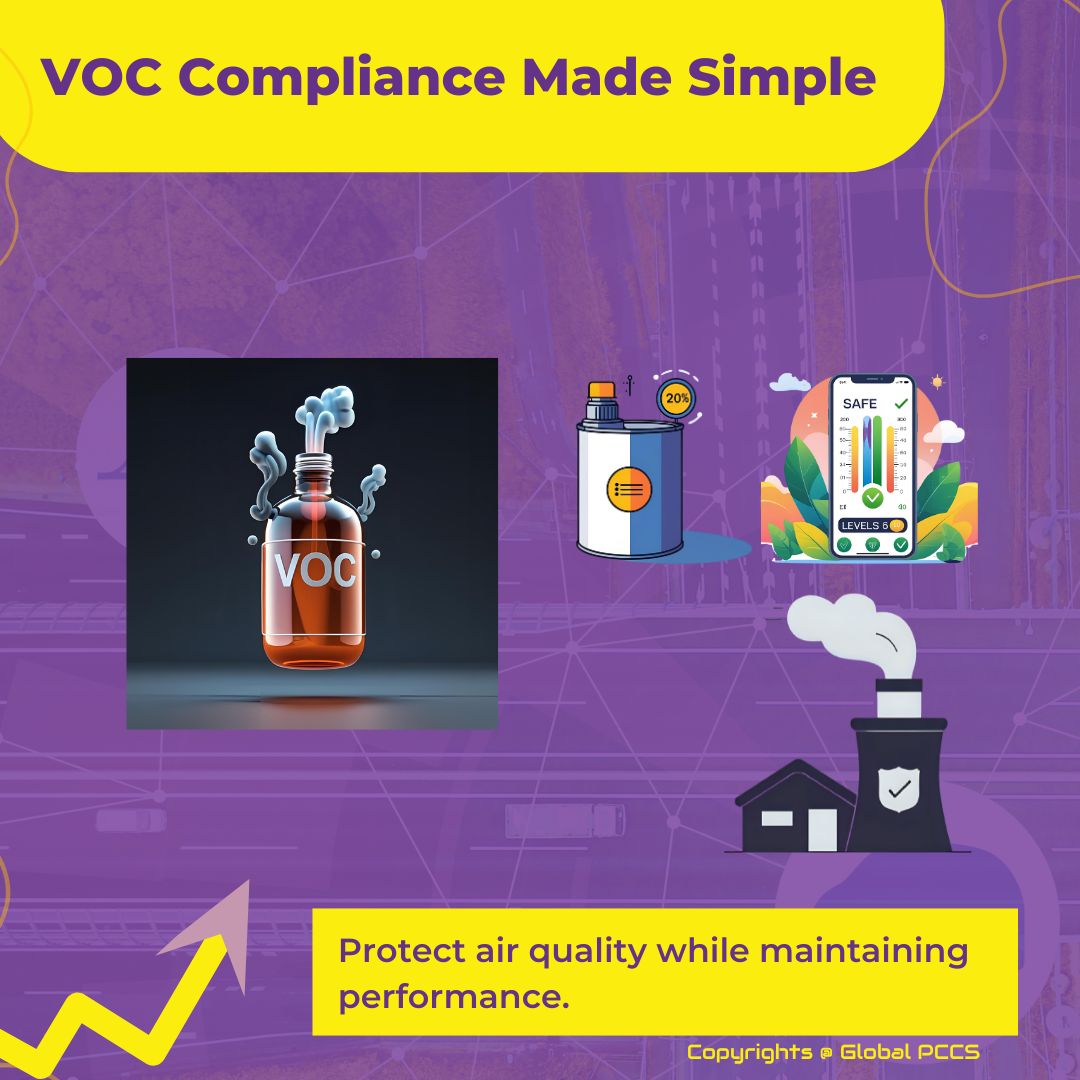
Volatile Organic Compounds (VOCs) are organic substances that, at room temperature, exhibit a high vapor pressure. As a result of a low boiling point, many molecules sublimate or evaporate from the liquid or solid state and enter the surrounding air, creating high vapor pressure.
When exposed to sunlight, VOCs can combine with nitrogen oxides to create ground-level ozone, a dangerous air pollutant that contributes to smog, making it important from an environmental and health standpoint. Numerous volatile organic compounds (VOCs) can also directly harm health, causing headaches, respiratory irritation, and in certain situations, more serious long-term health problems or cancer. VOC emissions are frequently reduced by regulations in an effort to enhance air quality and safeguard human health.
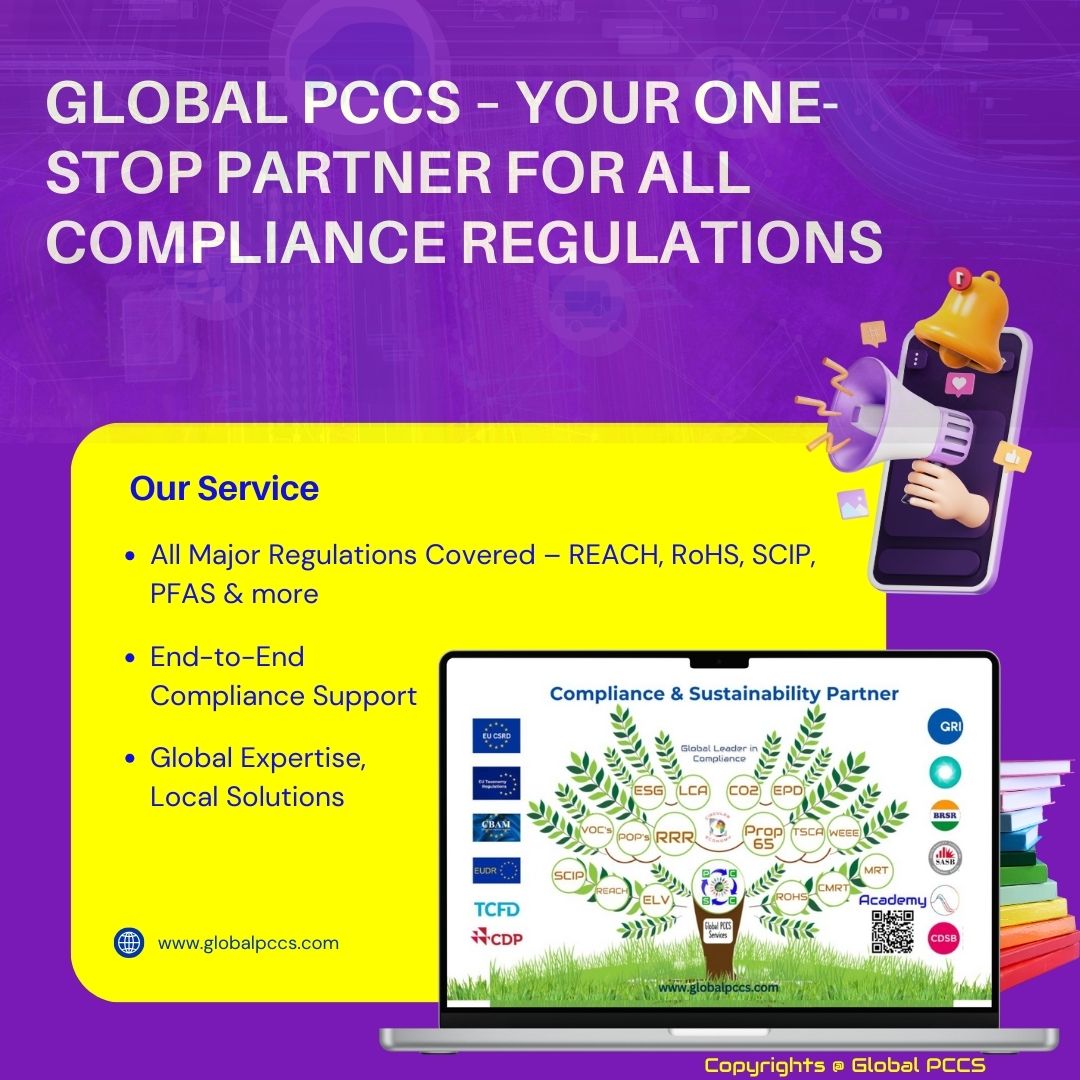
Offering recommendations on techniques and labs for precisely determining the amount of volatile organic compounds (VOCs) in items (such as paints, coatings, adhesives, and consumer goods).
Comparing product formulations to national and regional VOC limitations and regulations (such as those in the US and the EU).
Keeping clients informed about changes to VOC laws around the world and assisting in the creation of plans to guarantee ongoing adherence.
offering knowledge on how to minimize VOC emissions or content by reformulating products or altering processes, as well as identifying appropriate substitutes.
Supporting the gathering and submission of the relevant VOC emissions data as well as keeping the necessary records.
Teaching groups about VOC laws, measurement methods, and reduction best practices.
Watch the video to learn more about our services and how we can help you achieve your goals.